

Patient Codes – Clinical Case
This month’s Wellness Wednesday, Patient Codes – Clinical Case, demonstrates why having a vascular access partner who is not rushed or incentivized to get to the “next case,” and has deep expertise in difficult IV access, matters. In this Patient Case, a...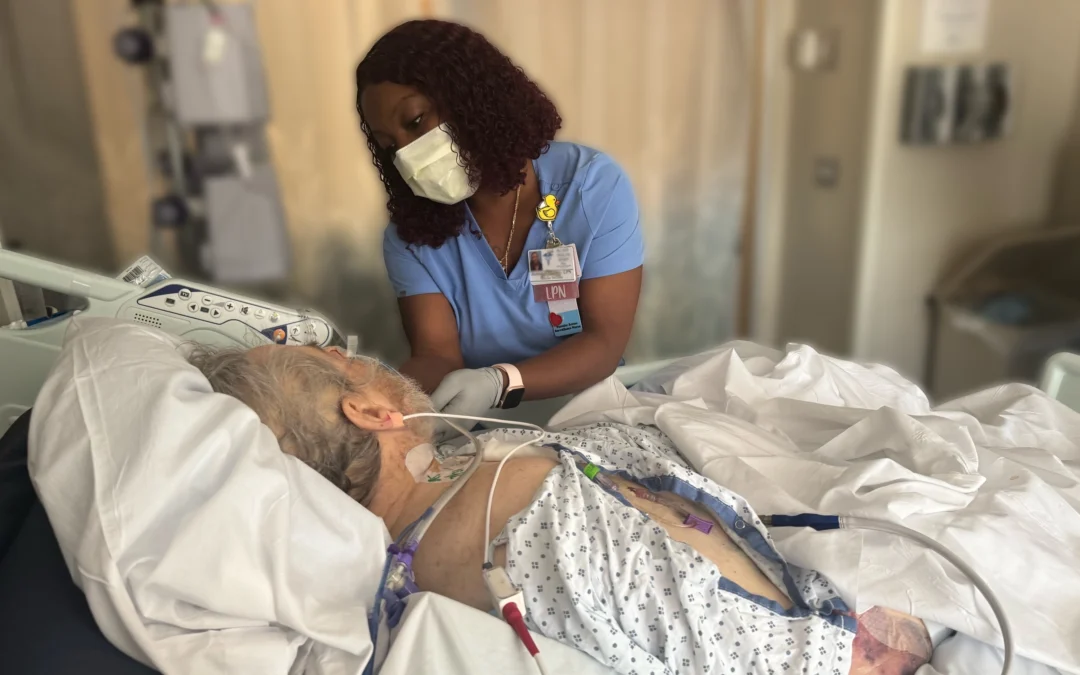
How to Assess an IV
Intravenous (IV) lines are vascular access devices used to gain venous access to a patient, giving the health care team the ability to administer medications and fluids. There are many types of IV lines, with Peripheral IVs (PIVs) being the most common. Because there...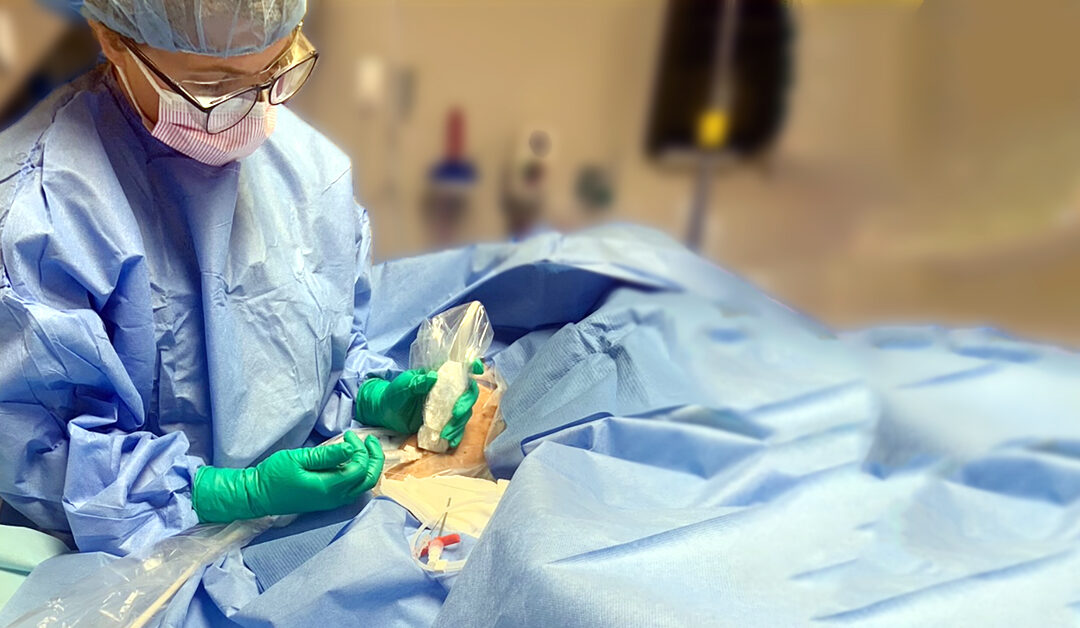
Patient Codes Repeatedly, Needs Access – Nurse Clinicians in Action – 39
Patient Codes Repeatedly, Needs Access describes how a hospital patient who was resuscitated after coding twice was moved to the ICU and needed fluids and vasopressors, but the care team was unable to achieve vascular access. Patient Codes Repeatedly, Needs Access –...
Undetected DVT Patient Case
This month’s Wellness Wednesday, Undetected DVT Patient Case, highlights the importance of extensive training – particularly understanding contraindications and how to detect potential life-threatening complications – with regard to vascular access. This deep training...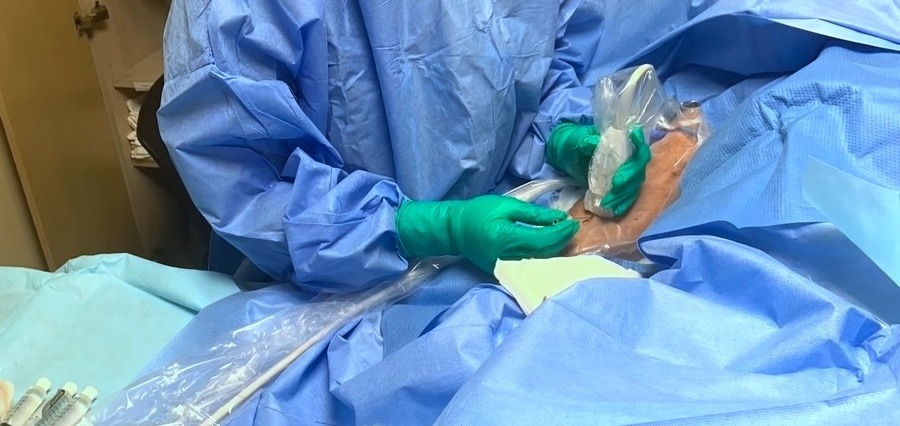
IV Infiltration and Extravasation Causes and Prevention
IV Infiltration Prevention and Management describes infiltrations and extravasations, common causes, and best practices to prevent and mitigate the risk of these complications from occurring…
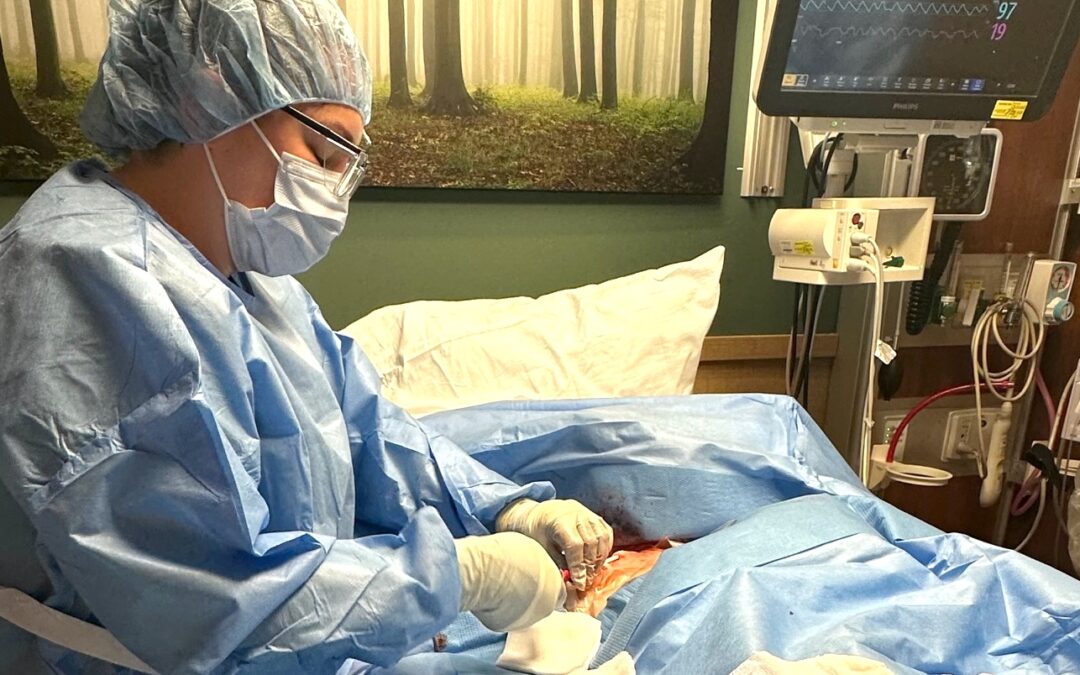
Tunneled Permcath in LTACH Patient – Nurse Clinicians in Action – 38
Tunneled Permcath in LTACH Patient describes how an LTACH patient with chronic kidney disease and respiratory failure, as well as a complex medical history that included lower bilateral DVTs and a pacemaker, needed an Acute/Temp Vascath replaced with a Tunneled...
Undetected DVT in Skilled Nursing Patient – Nurse Clinicians in Action – 37
Undetected DVT in Skilled Nursing Patient describes how an elderly patient in a Skilled Nursing Facility needed a replacement PICC line so he could complete his course of antibiotics and hydration, but the arm where the previous PICC was placed was swollen and red....