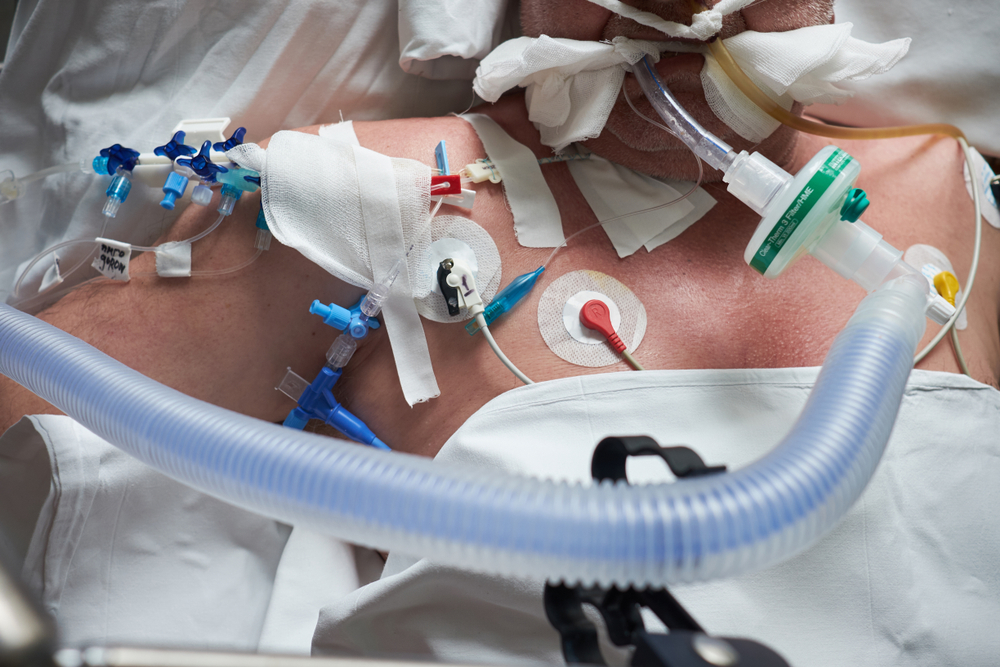
With proper training and board of nursing approval, vascular access nurses can perform the insertion of Vas Cath for Dialysis and other large bore lines. Vascular Wellness, a leader in the field of vascular access, is one of a select few companies that has received...
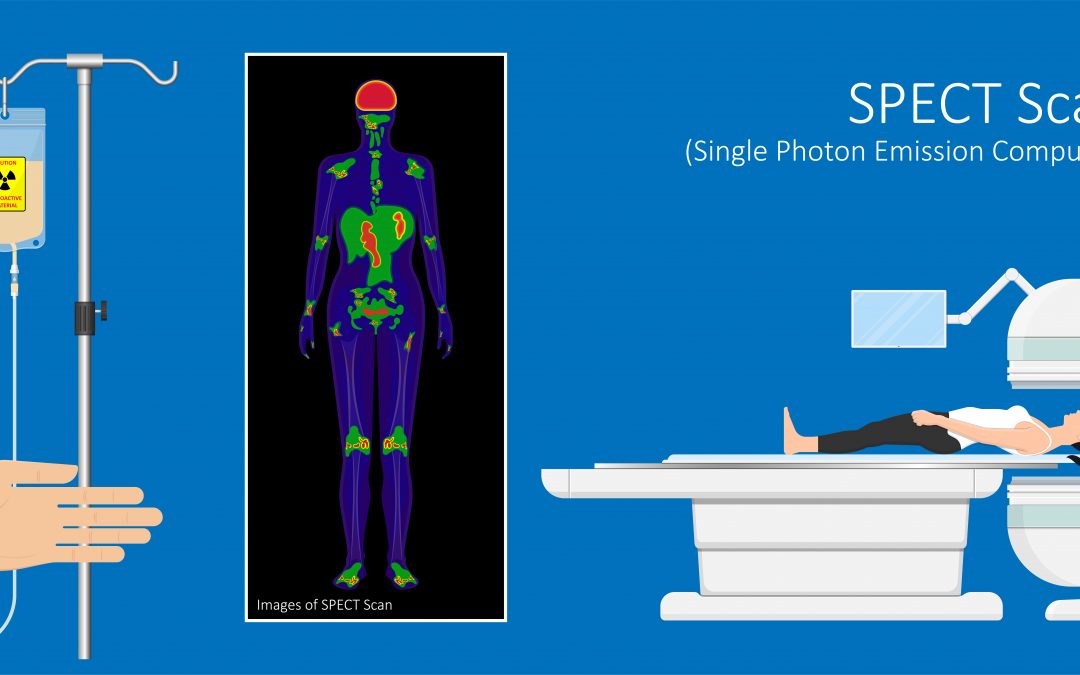
Proper vascular access is critical to nuclear medicine because the correct injection of a radiopharmaceutical enables safe, effective, and comprehensive imaging leading to proper patient care and management. Incorrect injection that results in fluid leakage into the...
On May 26, 2021, Vascular Wellness leaders Nancy Warden and Stephen Harris presented at the webinar “Radiopharmaceutical Extravasations: Hazards, Mitigation, and Prevention” on the importance of vascular access in nuclear medicine. The seminar provided...
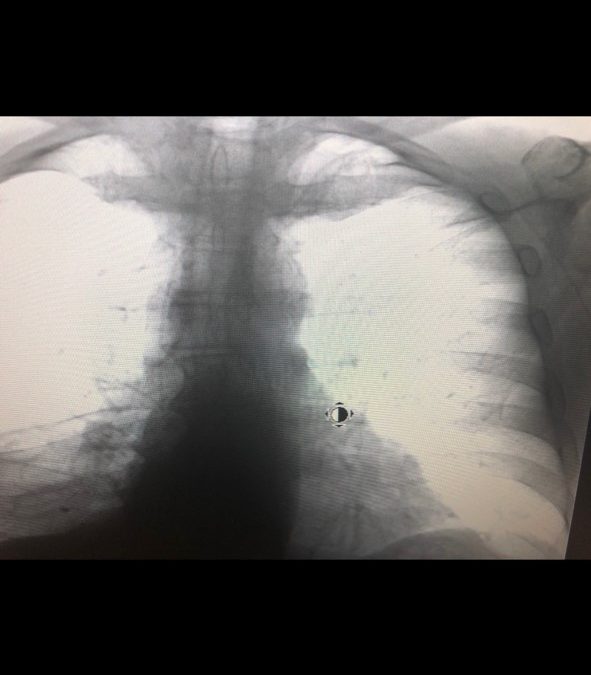
Pinch-Off Syndrome (ie, the compression and misalignment of a Peripherally Inserted Central Catheter (PICC), into a “v” position) and how the Vascular Access clinician diagnosed and treated the problem is the focus of this Nurse Clinicians in Action....
Why is patient medical history important and what are clinicians analyzing? Placing a Vascular Access Device (VAD) in a patient with the most successful outcome involves knowledge of the patient’s medical history, i.e., the patient’s chart. Vascular Access clinicians...
Central Venous Catheters (CVCs) are one of the leading potential causes of an Upper Extremity Deep Vein Thrombosis (UEDVT) and the best way to reduce the risk of Upper Extremity DVTs is for the Vascular Access clinician to carefully place lines following the highest...
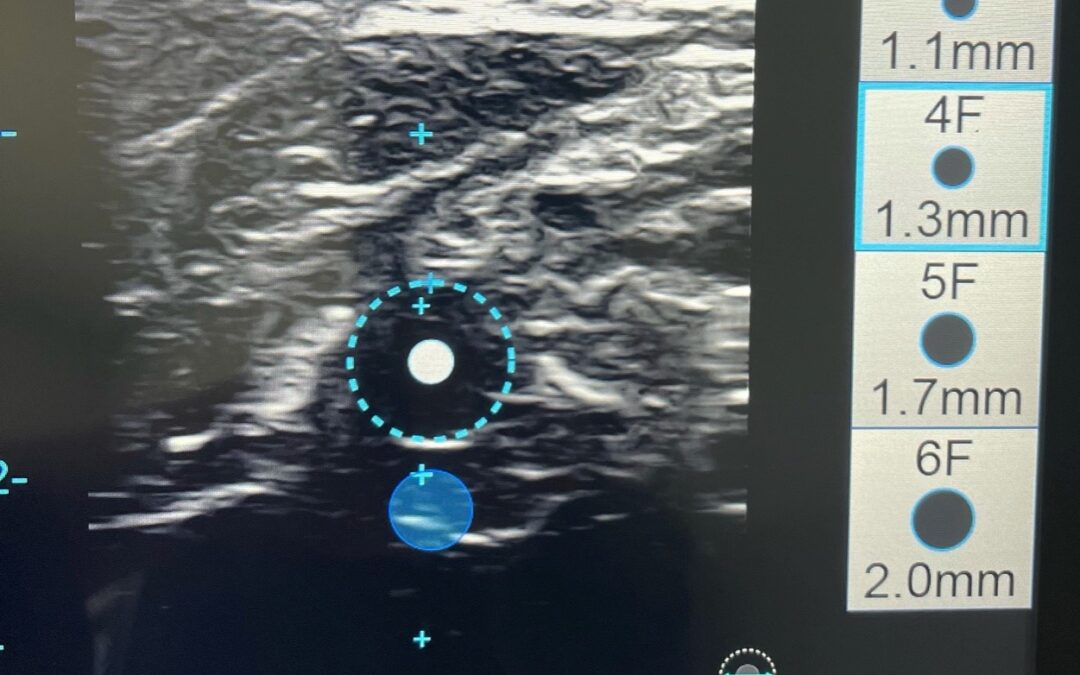
Internal Jugular, Femoral, and Axillary lines are small bore central venous catheter Vascular Access Devices (VADs). Clinicians skilled in the insertion and placement of Small Bore lines have incredible and tremendously effective options treating patients when...
Standard ways to obtain vascular access, other than a basic Peripheral IV, include the Extended Dwell Peripheral IV, Midline and PICC, as listed in the order of clinical progression. Each method provides Vascular Access to the patient’s veins for uses such as...
Like any medical procedure, the insertion of a Central Venous Catheter (CVC) can have potential complications. Such complications are severely mitigated when an experienced and trained clinician uses best practices like the clinicians at Vascular Wellness. While...