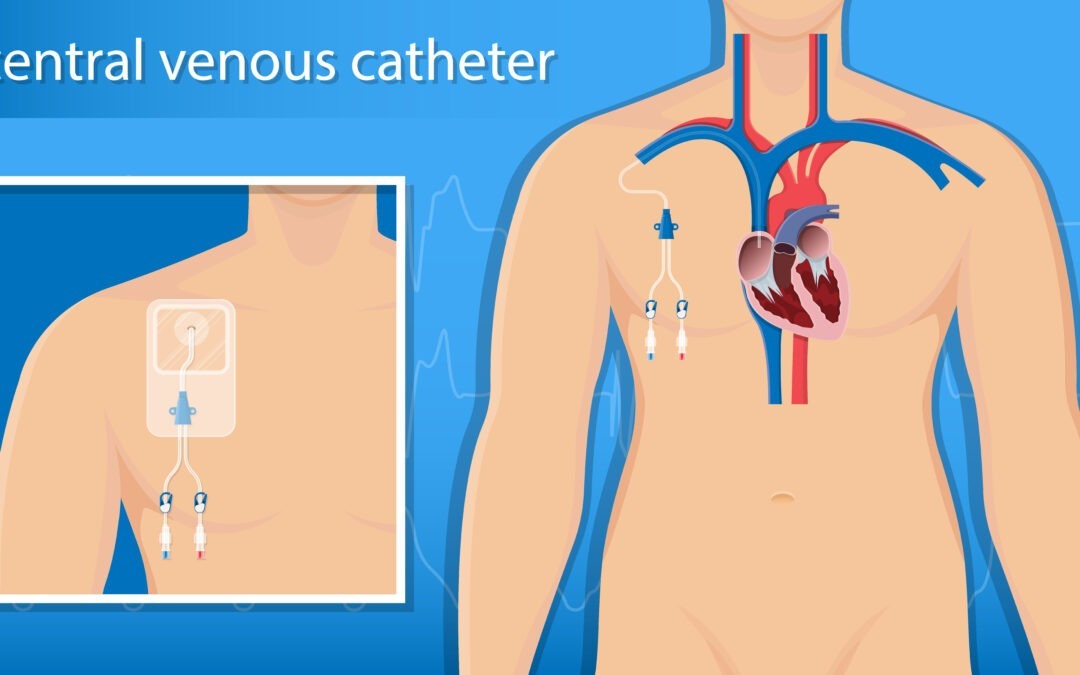
Which types of Central Venous Catheters (CVC) should be used when Peripheral Intravenous (IV) Catheters are not suitable or viable is dependent on various factors. The Central Venous Catheter is just another type of Vascular Access Device (VAD) and fortunately, the...
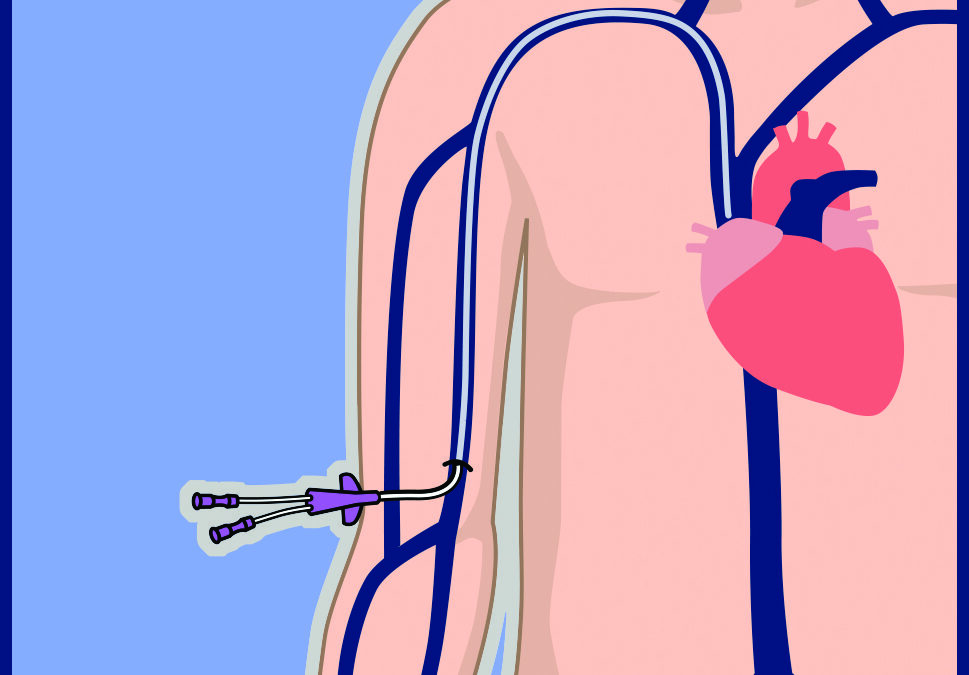
PICC lines are just one of many types of Vascular Access Devices (VADs). VADs provide intravenous therapy and allow diagnostic testing. PICC stands for Peripherally Inserted (the arm) Central Catheter (a vein just outside the heart). There are many benefits to...
Healthcare Associated Infections (HAIs), also known as Healthcare Acquired Infections, are acquired by patients receiving treatment at a healthcare facility. This is not limited to hospitals, and can include infections acquired at any healthcare facility or through...
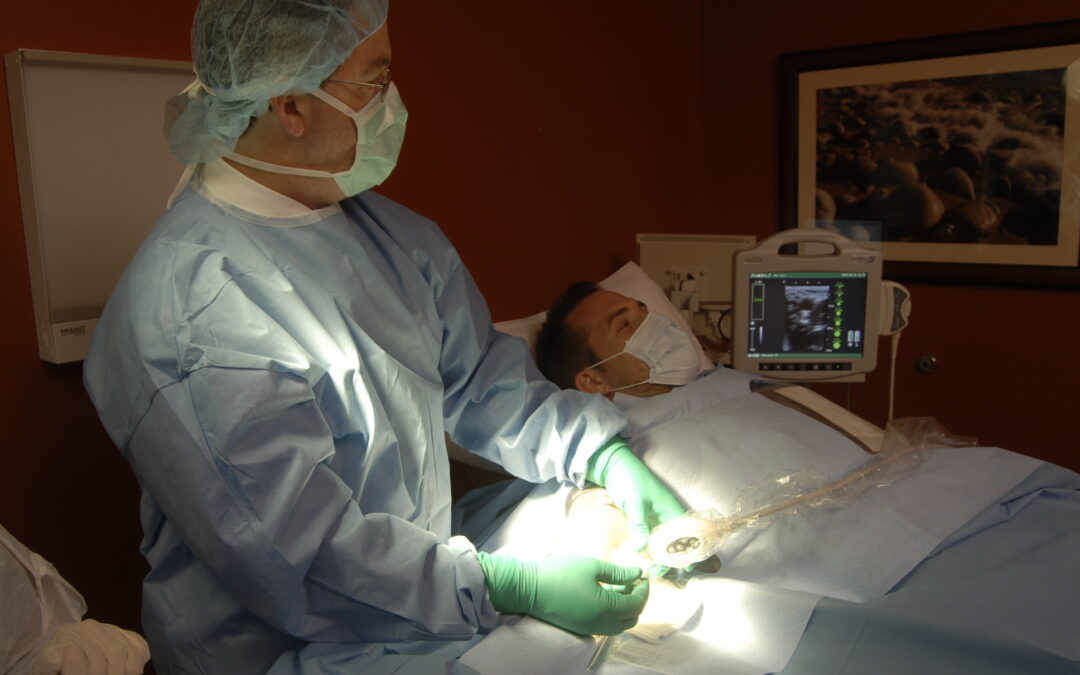
A peripherally inserted central catheter or PICC is used when caregivers require ongoing access to a patient’s bloodstream. The medical device can be used to deliver medications and fluids intravenously (IV). The most common uses include providing medication,...
A peripherally inserted central catheter or PICC is used to make it easier for both patients and caregivers in situations where ongoing access to a patient’s bloodstream is required. The medical device is most commonly used to provide medication, chemotherapy,...
PICC lines or “peripherally inserted central catheters” are an intravenous (IV) catheter inserted into a vein in the arm, to reach the area just outside the heart, and generally, should not hurt. A PICC line consists of a long, thin tube containing a...
Healthcare workers and staff at healthcare facilities are at higher risk of infection as compared with the general population. This is because they are constantly exposed to contact with infectious sources. However, measures to control infection must be designed to...