Central Line-Associated Bloodstream Infections (CLABSIs) and Catheter-Related Bloodstream Infections (CRBSIs)
The terms Central Line-Associated Bloodstream Infection (CLABSI) and Catheter-Related Bloodstream Infection (CRBSI) are often used interchangeably, and while both refer to bloodstream infections or the presence of bacteremia that’s associated with intravenous catheters that are in situ, they have different meanings. To understand the difference between CLABSIs and CRBSIs, we need to first understand bloodstream infections and how they relate to intravenous catheters.
What is a Bloodstream Infection (BSI)?
A bloodstream infection, or BSI, occurs when germs from bacteria, fungi, or viruses enter your bloodstream and multiply. These germs can enter your bloodstream in several different ways, including via injuries such as scrapes and cuts, burns, reusing needles, and medical procedures. They may also already be in your body, lying dormant until your immune system is weakened by a medical condition or event.
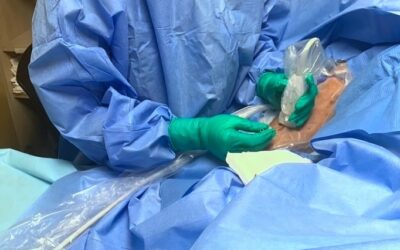
In this article, we are focusing on bloodstream infections that are present in patients who have an intravenous catheter in place. These catheters are vascular access devices that are made of thin, flexible tubing that is placed inside a patient’s vein to carry medication, fluids, and other therapies through the bloodstream to help restore health.
Because central line catheters are placed inside the vein (intravenously) and the catheter ends near the heart, germs can spread within the bloodstream and become very serious if not treated quickly.
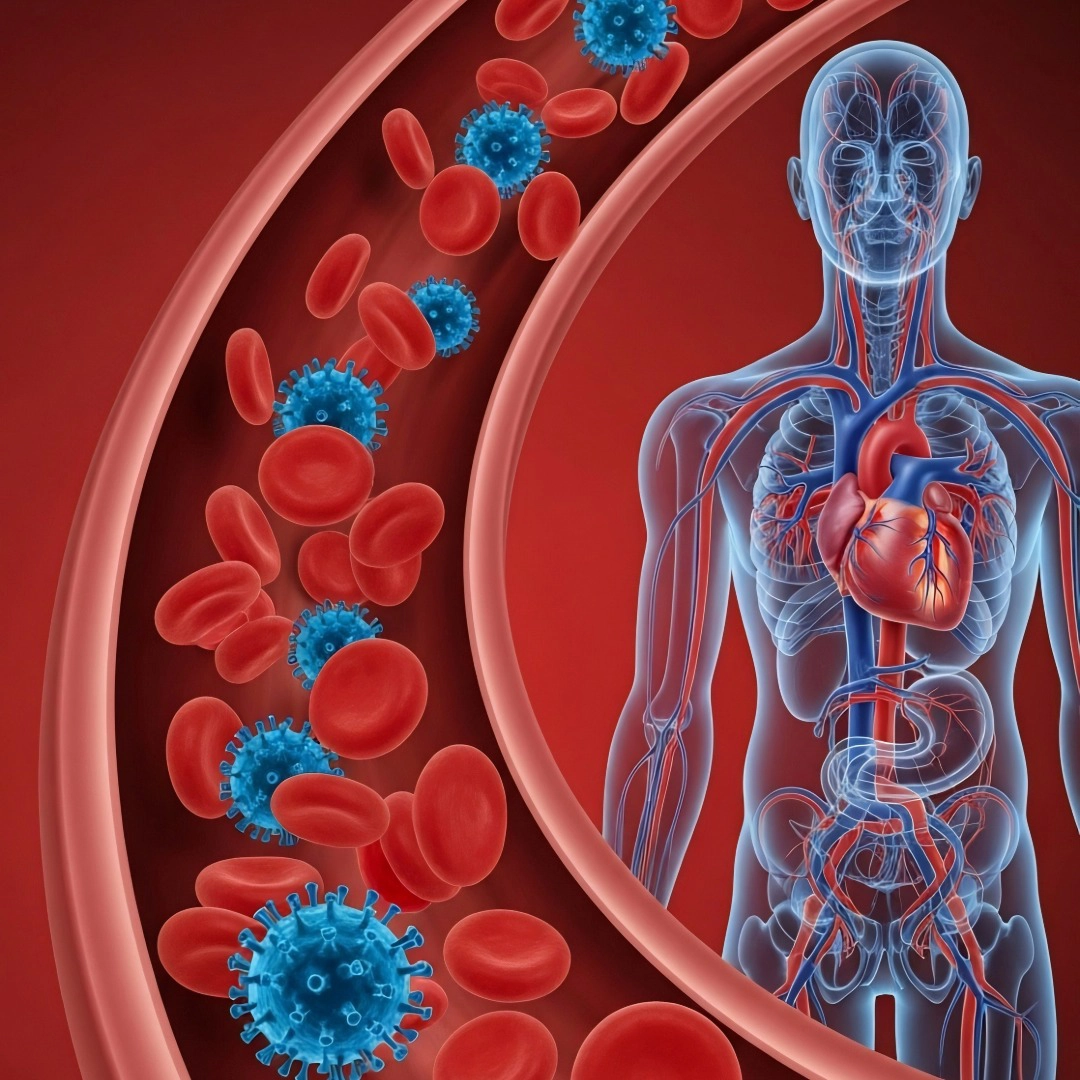
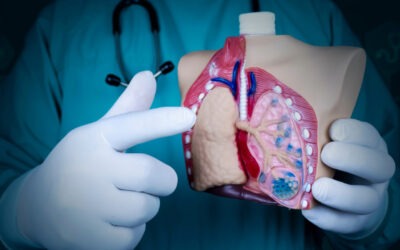
Bloodstream Infection Illustration
What is the Difference between a Central Line-Associated Bloodstream Infection (CLABSI) and a Catheter-Related Bloodstream Infection (CRBSI)?
As mentioned above, the terms Central Line-Associated Bloodstream Infection (CLABSI) and Catheter-Related Bloodstream Infection (CRBSI) are often used interchangeably, despite their differences.
CLABSI refers to the presence of bacteremia while a central line catheter is in place. It is a surveillance definition that is used to report data on infections.
CRBSI is a clinical definition and a formal diagnosis that verifies the bloodstream infection was caused by the catheter itself. Specific laboratory tests are used to confirm the catheter as the source of infection.
This is an important distinction because the presence of a bloodstream infection in a patient with a central venous catheter does not automatically mean the catheter was the cause. Bloodstream infections can occur from surgical sites, pre-existing bacteria lying dormant on implanted devices, and other causes. Because bloodstream infections in cases such as these are secondary, attributable to sources other than the central line and may not be easily recognized, the CLABSI surveillance definition likely overestimates the true incidence of central line catheter infections.
Are Central Line-Associated Bloodstream Infections (CLABSIs) and Catheter-Related Bloodstream Infections (CRBSIs) Serious?
Yes, bloodstream infections are serious, particularly as they relate to CLABSIs and CRBSIs! Central line catheters are usually placed so they end near the heart to allow for maximum blood flow. This is ideal for many types of drugs and therapies because the medication is diluted rapidly (hemodilution). Because of this, infections are serious and are ideally diagnosed and treated quickly.
Additionally, because catheters, depending on the type, can remain in a patient’s vein anywhere from a day or two up to several months (or even years), it is important to ensure every precaution is taken to keep the vascular access device clean (the dressing is intact) and working properly so the necessary treatment can continue without delay or additional complications.
What Complications may be Associated with Central Line-Associated Bloodstream Infections (CLABSIs) and Catheter-Related Bloodstream Infections (CRBSIs)?
The main complication from catheter-related infections is Sepsis. Sepsis is a serious condition in which the body responds, or overresponds, to an infection. This response can cause a multitude of symptoms and can be fatal. Symptoms of sepsis can include confusion, sweating, shivering, and if left untreated, it can lead to septic shock. This complication greatly increases the risk of severe illness and mortality. In fact, the rate of mortality from sepsis ranges from 44% to 82% five years AFTER the event has passed.1
If a bloodstream infection is suspected, it is very important to run tests – typically by performing blood cultures – to determine if an infection is present and how best to treat it.
In addition to being dangerous for the patient, these infections extend hospitalizations, increasing costs for both the patient and the facility. Expanded reporting to the Centers for Medicare and Medicaid Services (CMS) regarding vascular access has been approved and adopted since 2008. Not only are facilities obligated to report CLABSIs, but soon reporting on all Healthcare Acquired Infections (HAI) and Hospital Onset Bacteremia (HOB) will be instituted, which includes ALL sources of infection, not just central lines.
Fortunately, it has been demonstrated, and as evidenced by peer-reviewed medical journals, that with proper insertion, usage, and care and maintenance, these bloodstream infections are completely avoidable.
Vascular Wellness regularly works with healthcare facilities to help them implement comprehensive Vascular Access Infection Prevention and Control Programs to help them increase patient safety and satisfaction, ensure safe therapeutic delivery of treatments, and maximize hospital efficiency.
What are symptoms of Central Line-Associated Bloodstream Infections (CLABSIs) and Catheter-Related Bloodstream Infections (CRBSIs)?
Indications of possible catheter-related bloodstream infections can include any of the following symptoms:
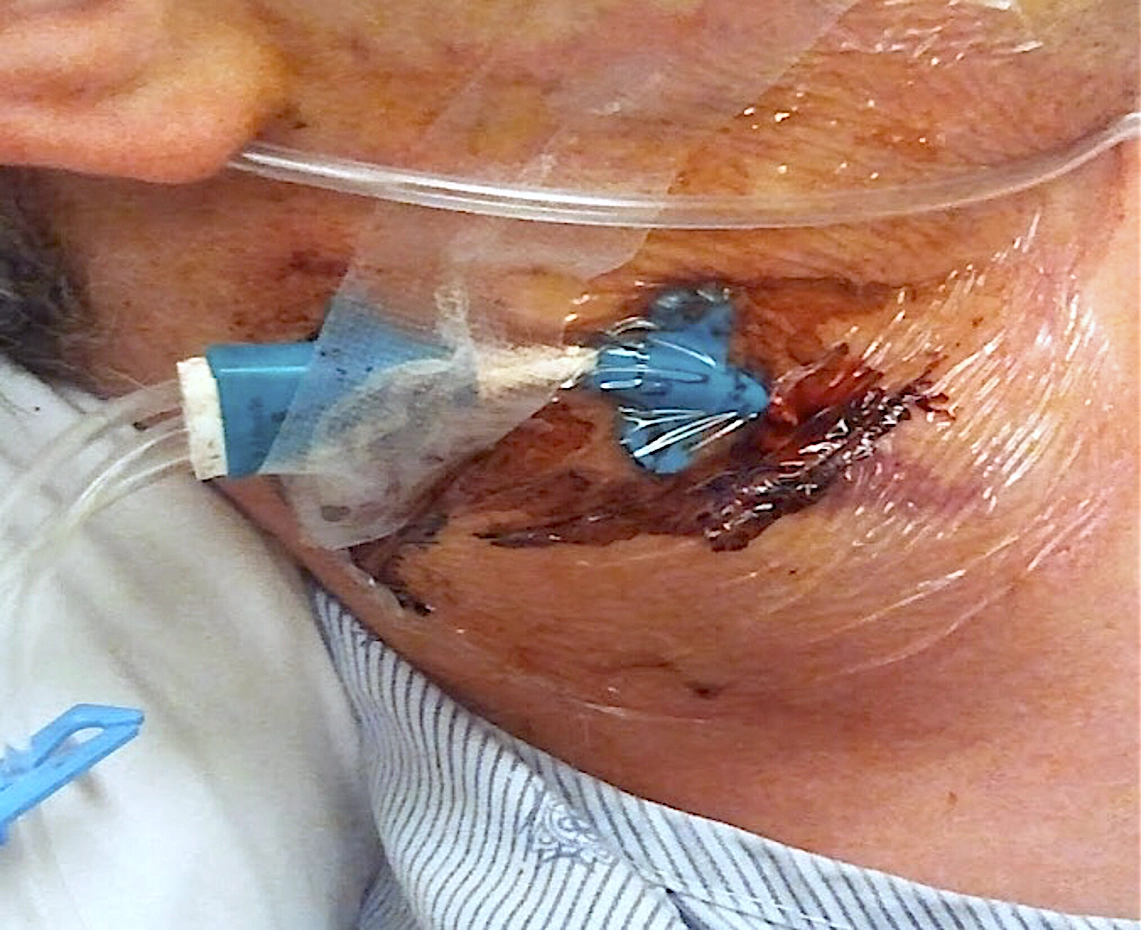
- Redness, warmth, tenderness, or swelling at the insertion site
- Drainage or pus at the insertion site
- Fever of 100.4 degrees or higher
- Chills or shivering
- Nausea or dizziness
- General feeling of weakness or malaise
- High heart rate or weak pulse
- Confusion or disorientation
- Sweaty or clammy skin
- Shortness of breath
If a bloodstream infection is suspected, proper tests should be performed swiftly to confirm if a bloodstream infection is indeed present. The care team will take blood samples to determine whether germs are present and what treatment is required. Treatment usually includes the administration of anti-infectives and removal of the catheter if indicated.
How to Prevent Central Line Bloodstream Infections
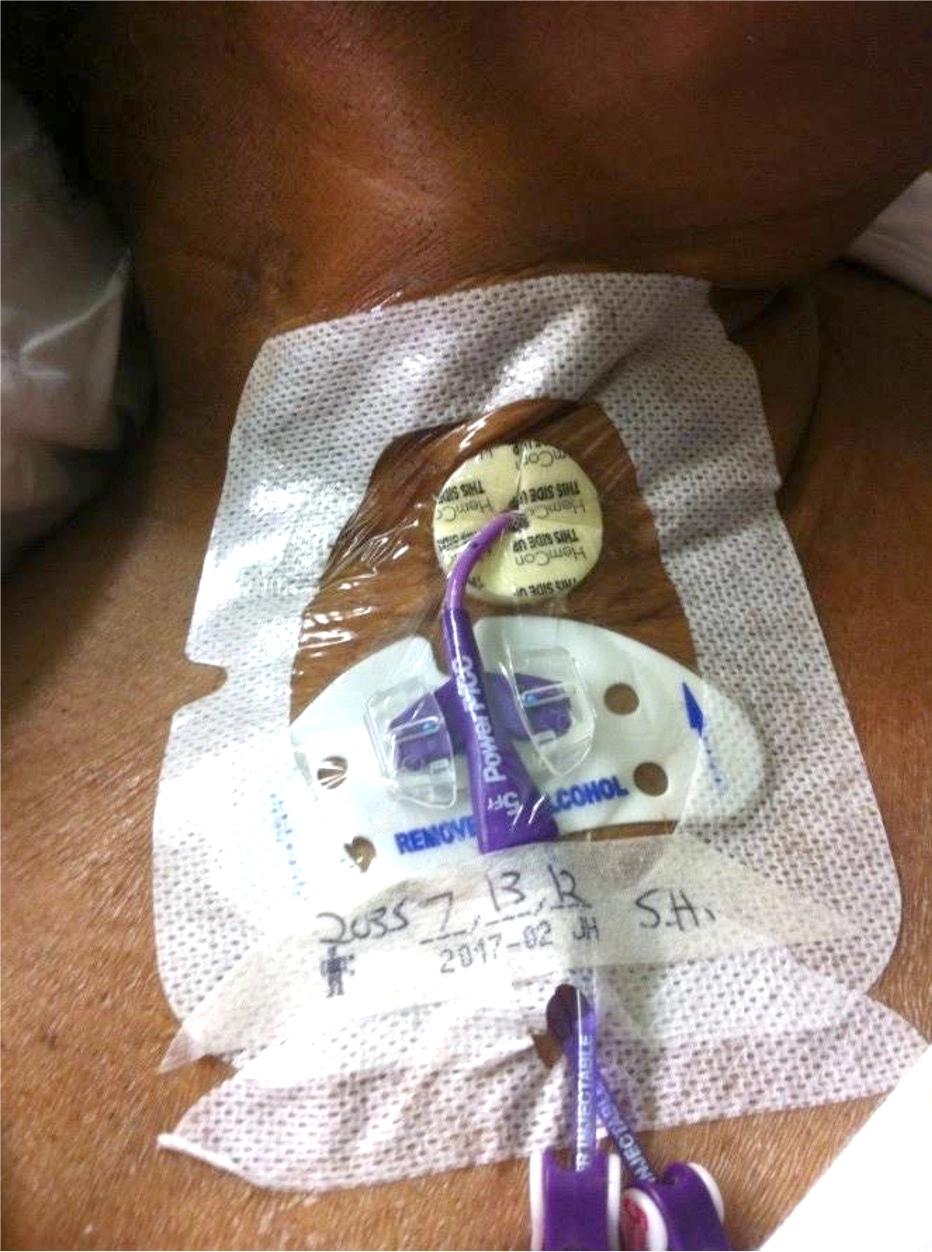
Excellent care and maintenance of the vascular access device is vitally important to prevent the serious complications of infection. This includes regular assessments of the dressing and insertion site, maintaining patency with routine flushing protocols, proper handwashing, the use of gloves, and always scrubbing the catheter hub before medication/flushing administration.
The skin at the insertion site should be inspected for any redness, irritation, swelling, or drainage. All of these are signs that there may be an infection or other problem present.
Blood return should be obtained easily in central line catheters by drawing back on the syringe. If it does not, the catheter needs to be corrected by an experienced clinician familiar with returning the catheter back to full function.
Insertion Related Key Steps
- Practicing proper hand hygiene
- Scrupulous sterile field technique
- Proper skin antisepsis
- Anatomical placement that
- supports excellent care and maintenance (i.e., avoiding high jugular placements)
Post-Insertion Care Related Key Steps
- Practicing proper hand hygiene
- Scrubbing the hub before every access with gloved hands
- Maintaining antimicrobial dressings
- Do not loop the IV tubing to itself
(More information on ways to prevent Central Line-Associated Bloodstream Infections and Catheter Related Bloodstream Infections can be found on our Providers page.)
Key Points
Adopting and implementing a comprehensive Vascular Access Infection Prevention and Control Program is a highly effective way to prevent CLABSIs and CRBSIs, increase patient safety and satisfaction, ensure safe therapeutic delivery of treatments, and maximize your facility’s efficiency.
CRBSIs and CLABSIs have both clinical and financial impacts that are avoidable with proper training, meticulous care and maintenance, pristine insertion practices, and careful attention to proper infusion practices. Proper handling of intravenous lines plays a major role in preventing catheter-related bloodstream infections. Providing proper training to everyone handling vascular access devices, as well as regular checks to ensure policies are being followed, is very important. Recent research demonstrates that dedicated vascular access teams reduce the incidence of infections and save healthcare facilities millions in lost revenue from too high an infection rate.
A Vascular Access Infection Prevention and Control Program can also help reduce hospital readmissions, which is a serious problem in healthcare, as evidenced in part by the Hospital Readmission Reduction Program (part of the Affordable Care Act), which reduces payments to hospitals with excessive readmission rates within 30 days of discharge. Properly established protocols and adherence to the protocols prevent and reduce the risk for hospital-acquired infections (HAIs).
An important part of an effective Vascular Access Infection Prevention and Control Program addresses how to properly handle IV administrations to help prevent catheter-related bloodstream infections. Stay tuned for our article on IV (Intravenous) Looping Leads to Bloodstream Infections (coming soon) to learn more about a practice that is often used but has dangerous implications with regard to infection prevention and control.
1 Rahmel T, Schmitz S, Nowak H, Schepanek K, Bergmann L, Halberstadt P, Hörter S, Peters J, Adamzik M. Long-term mortality and outcome in hospital survivors of septic shock, sepsis, and severe infections: The importance of aftercare. PLoS One. 2020 Feb 12;15(2):e0228952. doi: 10.1371/journal.pone.0228952. PMID: 32050005; PMCID: PMC7015408.
1 Wang HE, Szychowski JM, Griffin R, Safford MM, Shapiro NI, Howard G. Long-term mortality after community-acquired sepsis: a longitudinal population-based cohort study. BMJ Open. 2014 Jan 17;4(1):e004283. doi: 10.1136/bmjopen-2013-004283. PMID: 24441058; PMCID: PMC3902401.
1 Iwashyna TJ, Cooke CR, Wunsch H, Kahn JM. Population burden of long-term survivorship after severe sepsis in older Americans. J Am Geriatr Soc. 2012 Jun;60(6):1070-7. doi: 10.1111/j.1532-5415.2012.03989.x. Epub 2012 May 29. PMID: 22642542; PMCID: PMC3374893.
Want to learn more about how Vascular Wellness Vascular Access Services helps mitigate the risk of CLABSIs? Read our Vascular Access Patient Cases below…


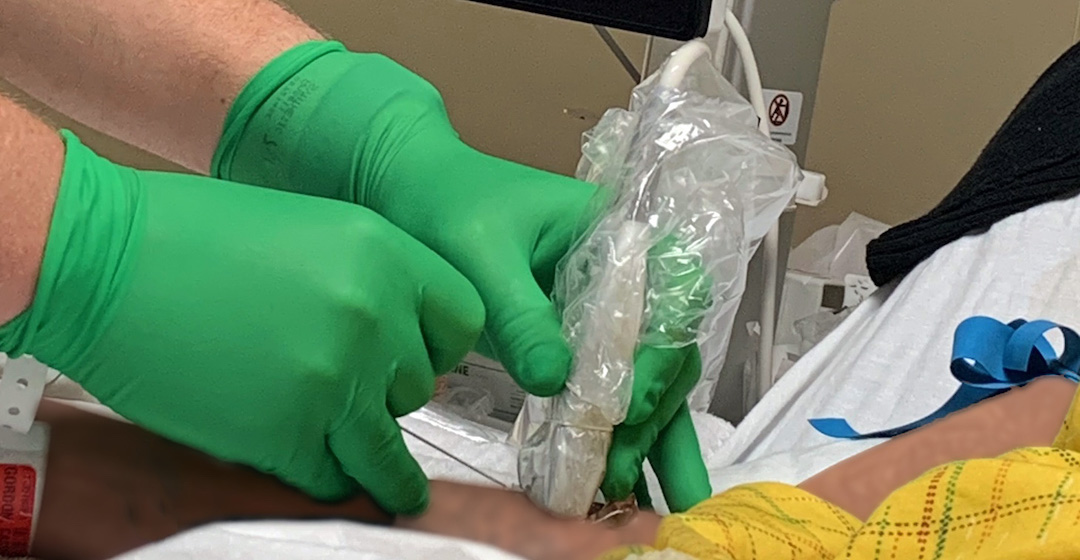
Fracture and Extravasation Complicates Vascular Access
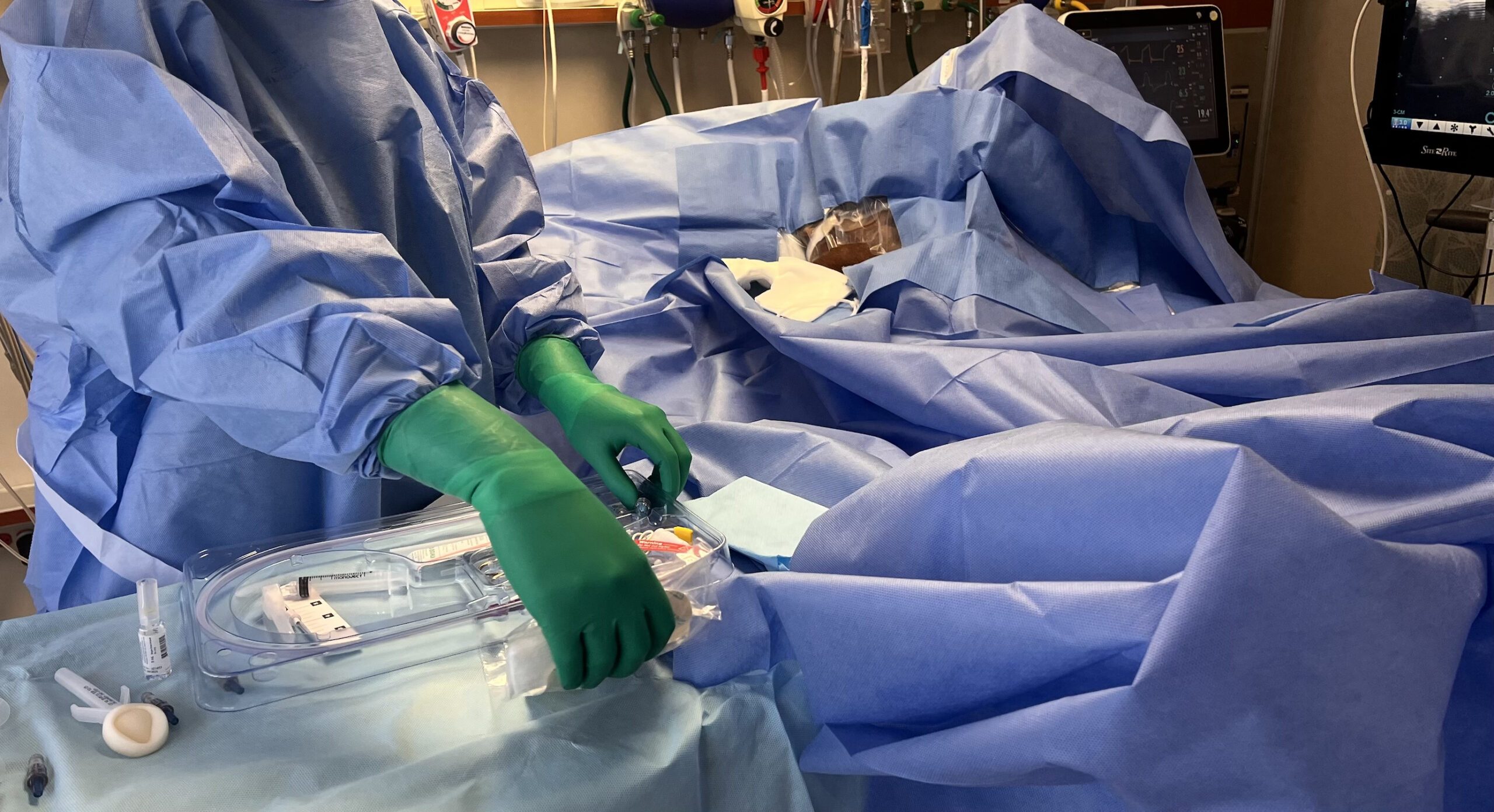
Clotted Fistula Requires Urgent Vas-Cath
Vascular Access Patient Cases:
Clinical Cases from the Front Lines of Vascular Access Care
We place the right line at the right time, the first time.
Call us at 877-284-4435 or email us to learn more.
No upfront cost or commitment to get started.
If you require Vascular Access or want to learn more, speak to the team at Vascular Wellness today.
For the latest articles and insights, follow us on LinkedIn, Facebook, Twitter, YouTube, and Instagram.
Vascular Wellness provides:
(1) Comprehensive vascular access services to Mississippi, North Carolina, Ohio, Oklahoma, Pennsylvania, South Carolina, and Virginia; and
(2) Customized vascular access services to Arkansas, Delaware, Georgia, Tennessee, and West Virginia; and
(3) Support vascular access services to Kentucky.