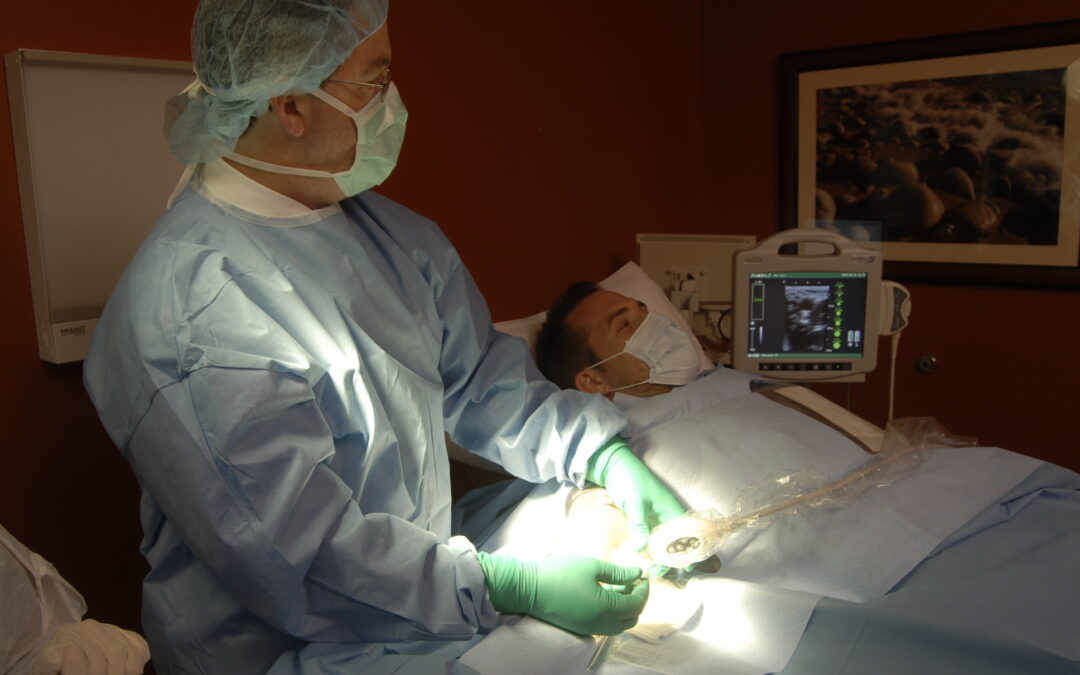
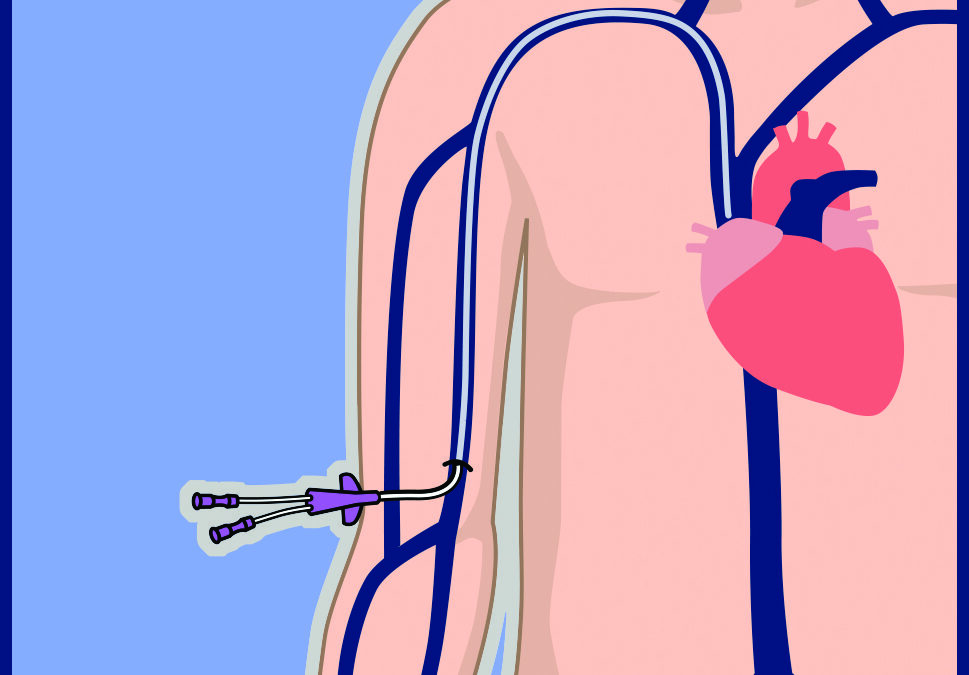
Central Venous Catheters (CVCs) are one of the leading potential causes of an Upper Extremity Deep Vein Thrombosis (UEDVT) and the best way to reduce the risk of Upper Extremity DVTs is for the Vascular Access clinician to carefully place lines following the highest...
Internal Jugular, Femoral, and Axillary lines are small bore central venous catheter Vascular Access Devices (VADs). Clinicians skilled in the insertion and placement of Small Bore lines have incredible and tremendously effective options treating patients when...
Standard ways to obtain vascular access, other than a basic Peripheral IV, include the Extended Dwell Peripheral IV, Midline and PICC, as listed in the order of clinical progression. Each method provides Vascular Access to the patient’s veins for uses such as...
Like any medical procedure, the insertion of a Central Venous Catheter (CVC) can have potential complications. Such complications are severely mitigated when an experienced and trained clinician uses best practices like the clinicians at Vascular Wellness. While...
Which types of Central Venous Catheters (CVC) should be used when Peripheral Intravenous (IV) Catheters are not suitable or viable is dependent on various factors. The Central Venous Catheter is just another type of Vascular Access Device (VAD) and fortunately, the...
PICC lines are just one of many types of Vascular Access Devices (VADs). VADs provide intravenous therapy and allow diagnostic testing. PICC stands for Peripherally Inserted (the arm) Central Catheter (a vein just outside the heart). There are many benefits to...
A peripherally inserted central catheter or PICC is used when caregivers require ongoing access to a patient’s bloodstream. The medical device can be used to deliver medications and fluids intravenously (IV). The most common uses include providing medication,...
A peripherally inserted central catheter or PICC is used to make it easier for both patients and caregivers in situations where ongoing access to a patient’s bloodstream is required. The medical device is most commonly used to provide medication, chemotherapy,...
PICC lines or “peripherally inserted central catheters” are an intravenous (IV) catheter inserted into a vein in the arm, to reach the area just outside the heart, and generally, should not hurt. A PICC line consists of a long, thin tube containing a...