Select Page
What does a Vascular Access Nurse do?

What does a Vascular Access Nurse do?

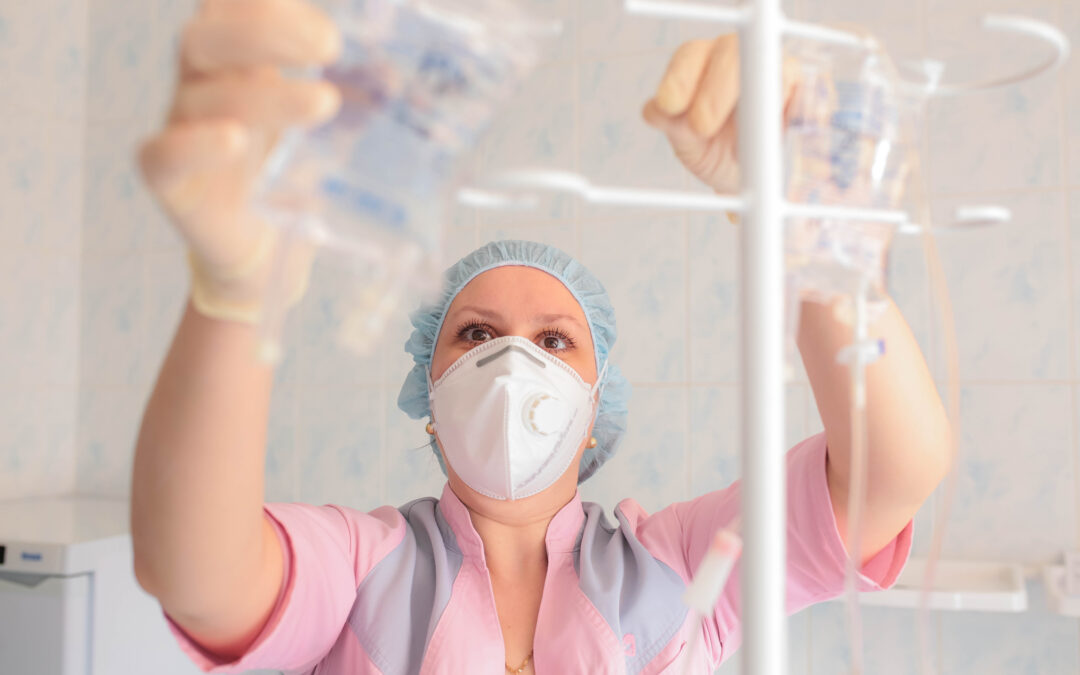
In general, a Vascular Access Nurse provides access to a patient’s circulatory system through the insertion of a small, thin tube called a catheter.  The degree of complexity of the catheter (aka, the Vascular Access Device (VAD)) in the body can range from IVs, Peripheral IVs (PIVs), and Midlines, contained in the arms, all the way to Central Venous Catheters (CVCs), including Peripherally Inserted Central Catheters (PICCs), Axillary lines, Internal Jugulars (IJs) and Femoral lines (Fems).

Why does Nuclear Medicine greatly depend on proper Vascular Access?

Why does Nuclear Medicine greatly depend on proper Vascular Access?

Proper vascular access is critical to nuclear medicine because the correct injection of a radiopharmaceutical enables safe, effective, and comprehensive imaging leading to proper patient care and management.  Incorrect injection that results in fluid leakage into the...
Pinch-Off Syndrome – Nurse Clinicians in Action-01

Pinch-Off Syndrome – Nurse Clinicians in Action-01

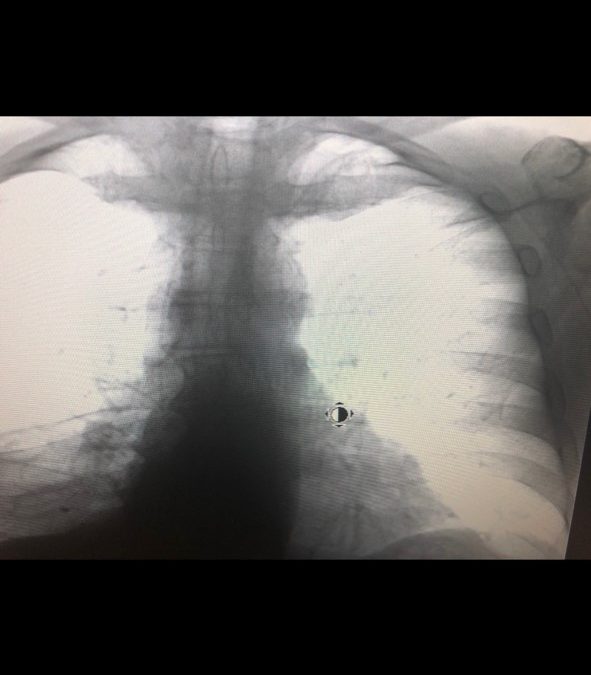
Pinch-Off Syndrome (ie, the compression and misalignment of a Peripherally Inserted Central Catheter (PICC), into a “v” position) and how the Vascular Access clinician diagnosed and treated the problem is the focus of this Nurse Clinicians in Action....
Internal Jugular, Femoral, and Axillary Lines

Internal Jugular, Femoral, and Axillary Lines

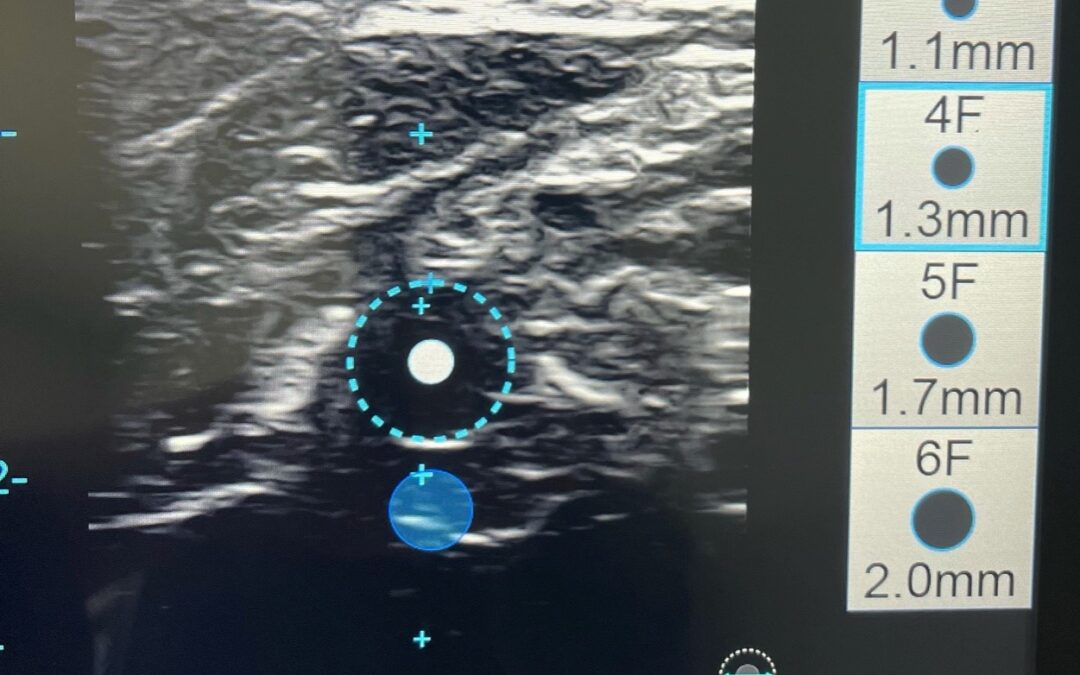
Internal Jugular, Femoral, and Axillary lines are small bore central venous catheter Vascular Access Devices (VADs).  Clinicians skilled in the insertion and placement of Small Bore lines have incredible and tremendously effective options treating patients when...
What are the standard ways to obtain vascular access?

What are the standard ways to obtain vascular access?

Standard ways to obtain vascular access, other than a basic Peripheral IV, include the Extended Dwell Peripheral IV, Midline and PICC, as listed in the order of clinical progression.  Each method provides Vascular Access to the patient’s veins for uses such as...