
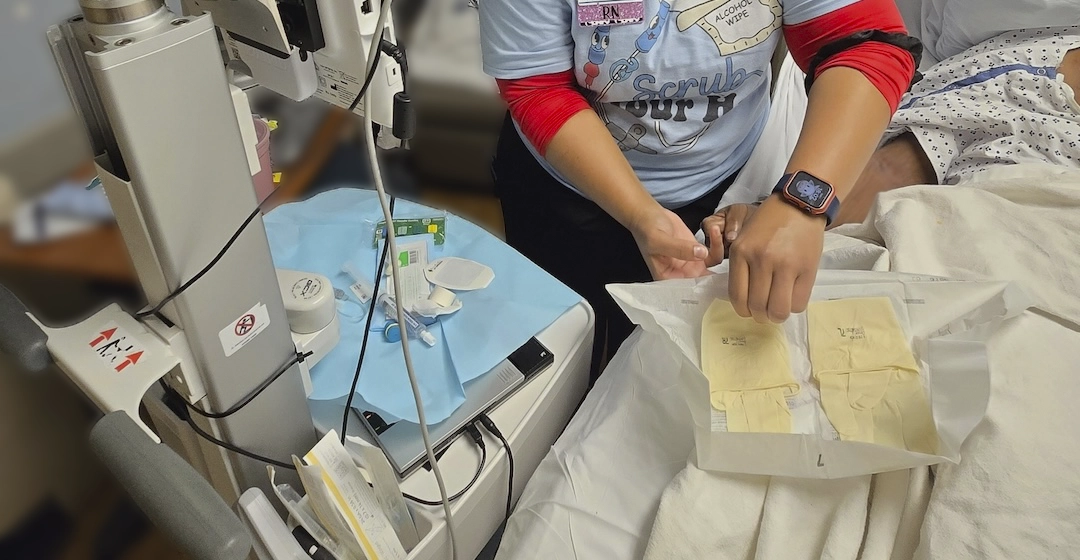
PICC Downgraded to PIVs after VA-BC Nurse Assessment – Nurse Clinicians in Action – 51
PICC Downgraded to PIVs after VA-BC Nurse Assessment describes a patient in a community hospital who was diagnosed with acute cholecystitis (inflammation of the gallbladder) and required vascular access for two days of antibiotics, as well as a cholecystectomy. The...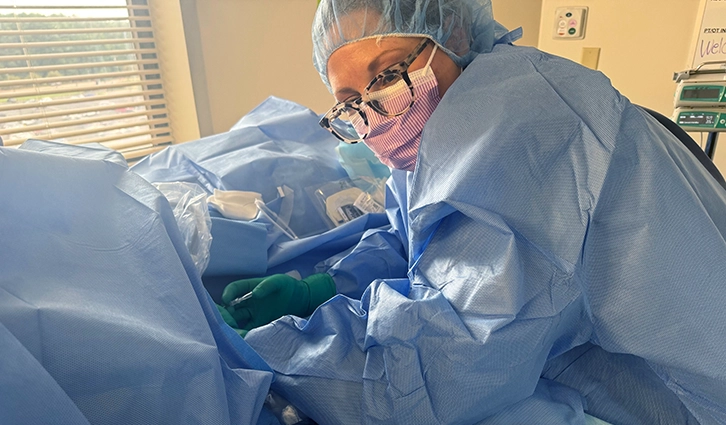
Ultrasound Guidance Insufficient for DIVA Patient – Nurse Clinicians in Action – 45
Ultrasound Guidance Insufficient for DIVA Patient describes a case where Emergency Department nurses and physicians tried multiple times using ultrasound guidance to achieve vascular access in a sick patient but were unsuccessful primarily due to the patient’s...
Complex Patient Needs Numerous IV Medications
This month’s Wellness Wednesday, Complex Patient Needs Numerous IV Medications, describes a case where a facility ordered a vascular access consult for Vascular Wellness to determine which central line was best for a DIVA patient with several serious conditions,...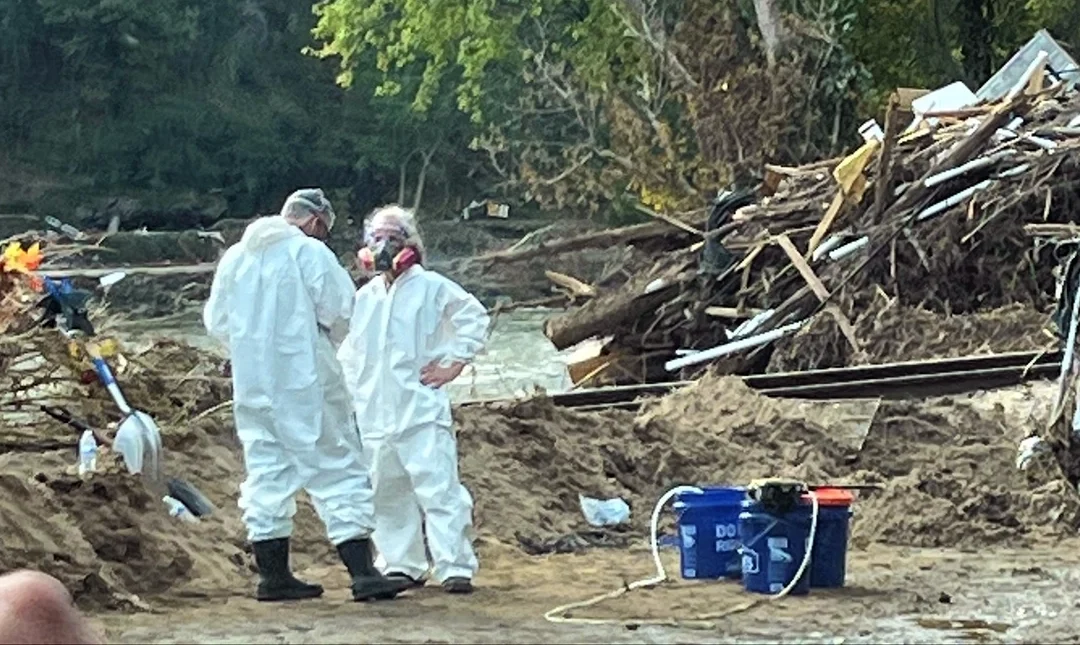
Hurricane Helene Healthcare Workers
Hurricane Helene Healthcare Workers Vascular Access Nurse Spotlight When natural disasters strike, such as Hurricane Helene, their impact can reach deep and personally affect not just the community, but the healthcare workers who come to their aid. In this case of...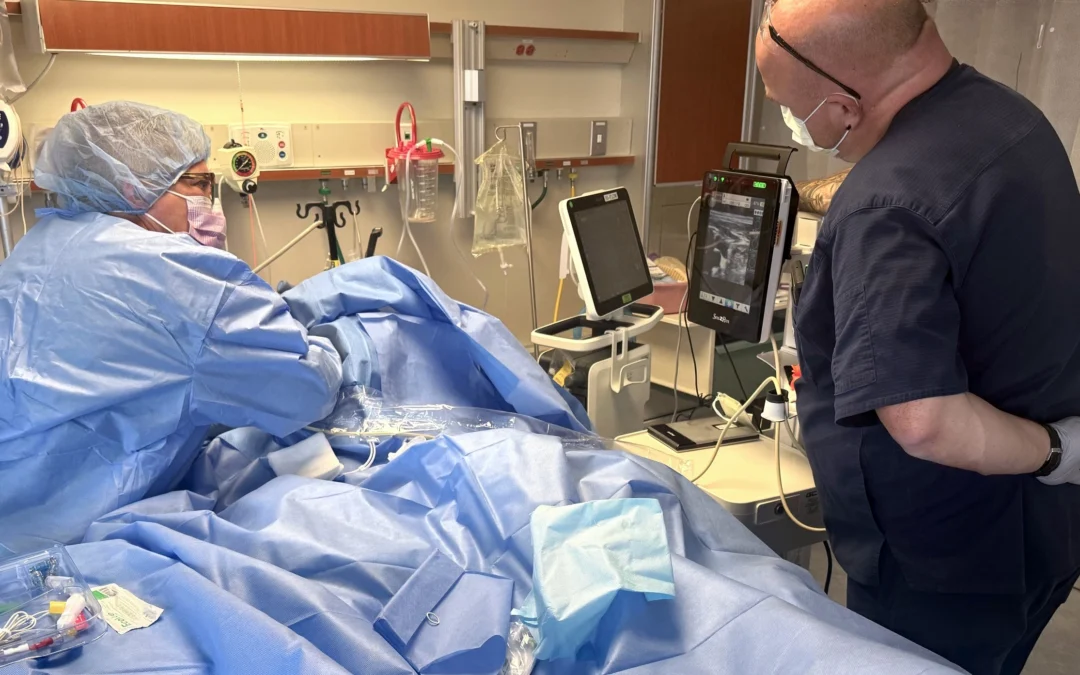
Infrared and Ultrasound for Vein Visualization
Use of Infrared and Ultrasound in Vein Visualization Infrared and Ultrasound in Vein Visualization refers to the use of the two most popular aides to help clinicians locate veins when placing intravenous (IV) lines or performing blood draws. Infrared devices provide...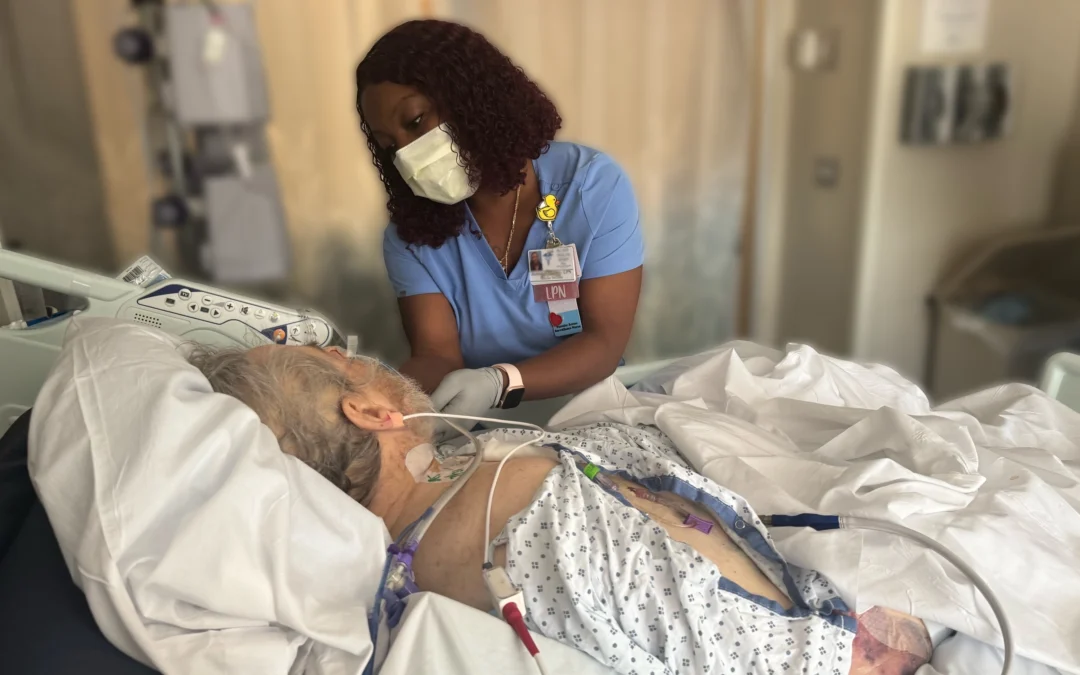
How to Assess an IV
Intravenous (IV) lines are vascular access devices used to gain venous access to a patient, giving the health care team the ability to administer medications and fluids. There are many types of IV lines, with Peripheral IVs (PIVs) being the most common. Because there...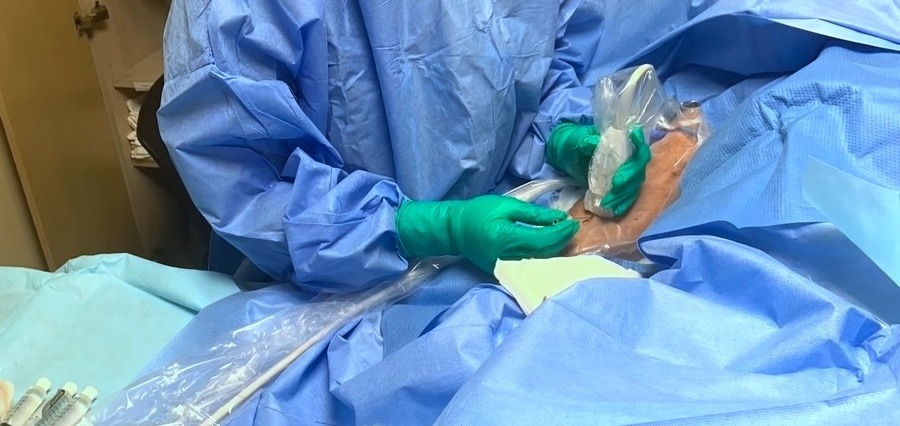
IV Infiltration and Extravasation Causes and Prevention
IV Infiltration Prevention and Management describes infiltrations and extravasations, common causes, and best practices to prevent and mitigate the risk of these complications from occurring…