This month’s Wellness Wednesday, Anxious Patient Requires Hemodialysis, describes a case where an elderly patient who was newly diagnosed with ERSD (end-stage renal disease) was hospitalized and in need of emergent dialysis to address an acute kidney injury superimposed on chronic kidney disease. The hospital contacted Vascular Wellness that evening and requested a Vascath – a large bore central venous catheter (CVC) or central line that is used for hemodialysis – to be placed the following day.
Arriving early and discovering the patient was in a confused state and very nervous during the assessment, the Vascular Wellness nurse clinician decided it was unsafe to begin the procedure and place the Vascath without first attending to the anxious patient’s obvious stress.
Ensuring every patient is heard, comfortable, and cared for before any procedure begins is at the core of our Patient-Centric approach. This enables patients to be relaxed and clinician to perform even the most advanced vascular access procedures safely and efficiently at the bedside.
As a result, this patient was able to immediately begin hemodialysis without any delay and affording them the greatest opportunity for positive outcomes.
Read the full Nurse Clinicians in Action patient case, “Anxious Patient Requires Hemodialysis” by clicking the link below…
Nurse Clinicians in Action – 42
Anxious Patient Requires Hemodialysis
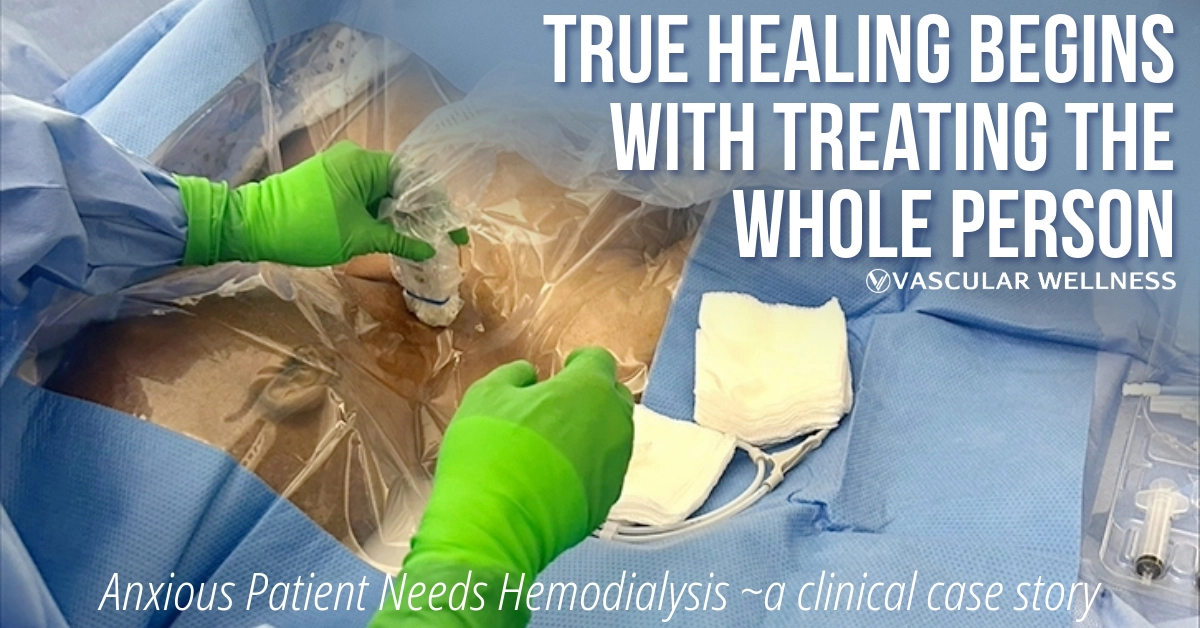
In healthcare, it’s easy to focus solely on symptoms and diagnoses—but true healing begins when we treat the whole person. Holistic care means understanding a patient’s physical and emotional needs. By seeing the bigger picture, we create a space for trust, empathy, and individualized care. At Vascular Wellness, we believe that behind every medical chart is a person with a unique story.
Vascular Wellness has consistently been at the forefront of innovating and delivering the highest quality, most robust, and comprehensive vascular access service offerings in the country, whenever and wherever it is needed.
As Vascular Access Experts, Vascular Wellness pioneered nurse-placed Vascaths for Dialysis. Vascular Wellness’ nurse-placed Acute/Temp Vascaths – and Tunneled Permcaths – at the bedside have many advantages over the primary alternative of physician-placed devices in an Operating Room (OR) or Interventional Radiology (IR) Suite, including lower costs, faster access to hemodialysis treatment, and greater facility, physician, and patient satisfaction.
The Vascular Wellness Difference
Clinically Driven, Trusted Partner
Comprehensive, Responsive Services
Certified WBENC, WOSB & HUB Firm
Right Line, Right Time, First Time
Vascular Access Education and Training
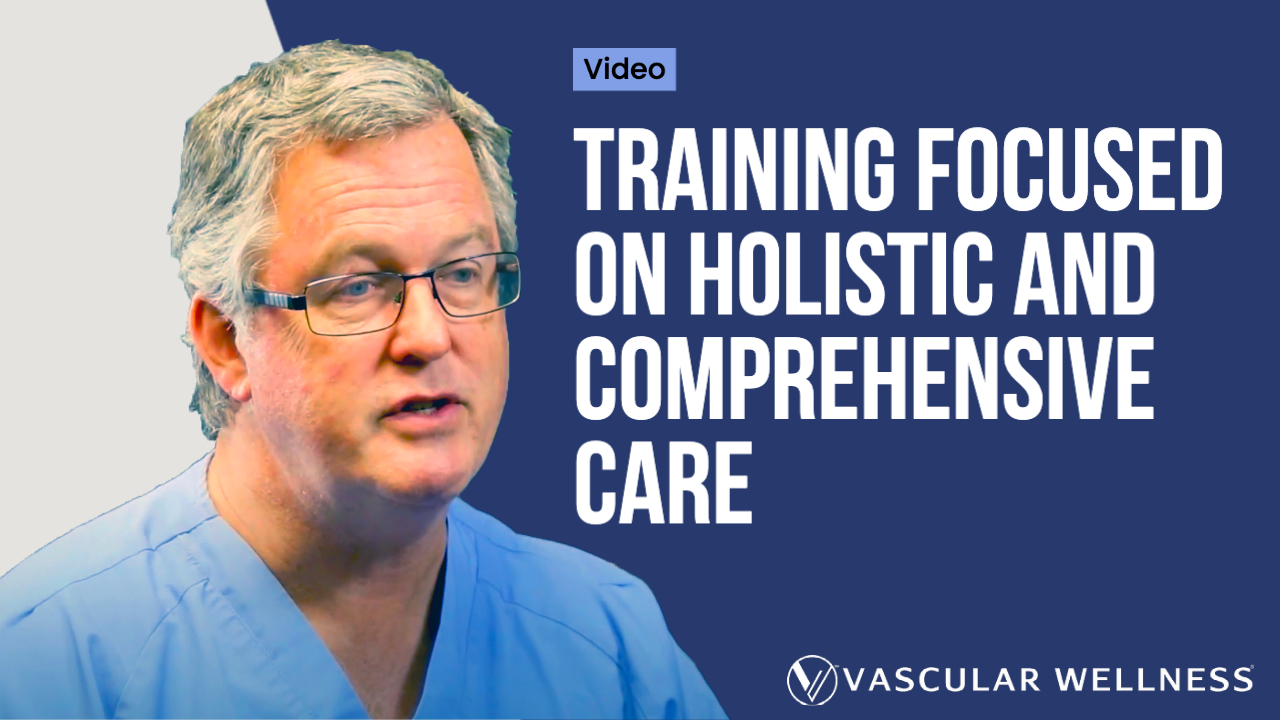
Vascular Access Services Education & Training at Vascular Wellness includes classroom, hands-on and mannequin-based simulation, extensive precepting on actual patients and regular skills assessments, and is the best training available. Our continuous training, skill set development, collaboration and teamwork across employees contribute to improved patient outcomes, reduced costs for clients and patients, and infection control success. This results in a better vascular access experience for all stakeholders including clients, the medical team, patients, and families.
Much of the same Education & Training we use internally is available to clients, facilities and individuals. READ MORE about our extensive vascular access Education & Training Courses.
Visit our Blog to Learn More about Perspectives
and Best Practices in Vascular Access
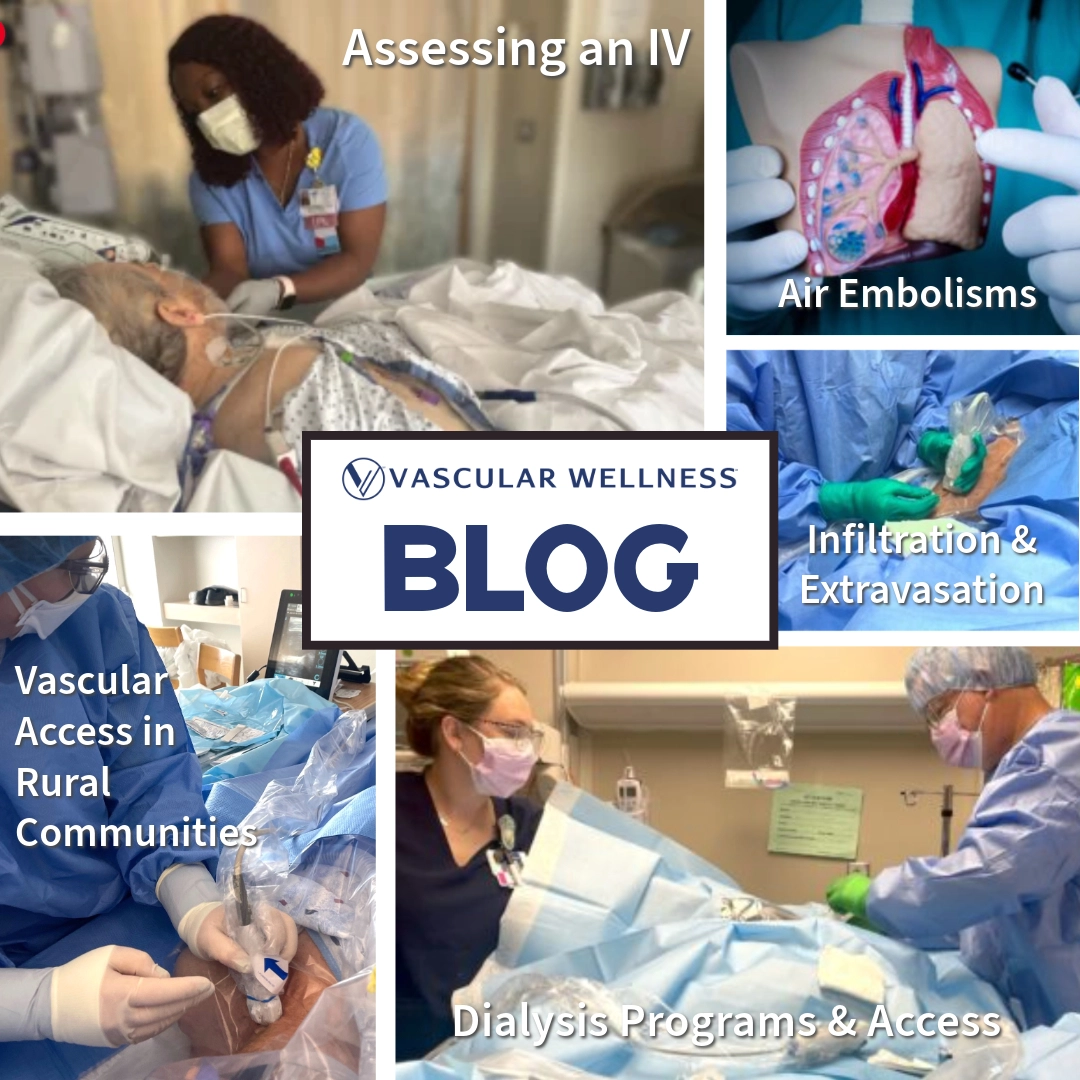
Vascular Wellness clinicians are Vascular Access Experts in all aspects of Vascular Access Device (VAD) placement, including assessment, insertion, maintenance, difficult placements, and removal.
Learn more about our Services by clicking the link below.
What makes Vascular Wellness the Right Choice?
▶︎ 7 Days/Week, After Hours & Holidays
▶︎ 3 Hour Average Response Time
▶︎ Extensive and Redundant Geographic Coverage
▶︎ 98+% Success Rate
▶︎ 0% Infection Rate
▶︎ Increased Patient & Clinical Satisfaction
▶︎ Hands-On Client Clinical Training
▶︎ Services are available to all patients and healthcare partners in rural as well as more populated areas
Missed a past Wellness Wednesday Patient Case?
Visit Vascular Wellness Voice for all of our Email content.
About Vascular Wellness
Vascular Wellness provides mobile, on-site, and on-call standard and advanced vascular access services at the bedside including clinical consultation, line placement, program management, training and education, and infection consulting and prevention.
We regularly work with patients and healthcare partners across diverse settings such as Hospitals, Long-Term Acute Care Hospitals, Hospital at Home programs, Skilled Nursing Facilities and CCRCs, Surgical & Outpatient Centers, Hospice, and At-Home. Vascular Wellness provides the highest quality and most innovative, effective, and timely vascular access services improving patient outcomes, reducing costs, and strengthening infection control.
We are Vascular Access Specialists and Experts. We excel due to our:
- Culture of Patient Care and Client Service
- Clinical Focus on Vascular Access
- Devoted Team of W2 Employee Clinicians
- Placement of Standard and Advanced Lines
- Comprehensive Administrative Support
We place the right line at the right time, the first time.
Call us at 877-284-4435 or email us to learn more.
No upfront cost or commitment to get started.
NURSE CLINICIANS IN ACTION case summaries involve challenging situations or intriguing clinical presentations where Vascular Wellness was able to create clinically appropriate access promptly, minimize sticks, and place the right line at the right time, the first time.
Explore our
NURSE CLINICIANS IN ACTION
Patient Cases by clicking below
If you require Vascular Access or want to learn more, speak to the team at Vascular Wellness today.
For the latest articles and insights, follow us on LinkedIn, Facebook, Twitter, YouTube, and Instagram.
Vascular Wellness provides:
(1) Comprehensive vascular access services to Mississippi, North Carolina, Ohio, Oklahoma, Pennsylvania, South Carolina, and Virginia; and
(2) Customized vascular access services to Arkansas, Delaware, Georgia, Tennessee, and West Virginia; and
(3) Support vascular access services to Kentucky.