Intravenous (IV) lines are vascular access devices used to gain venous access to a patient, giving the health care team the ability to administer medications and fluids. There are many types of IV lines, with Peripheral IVs (PIVs) being the most common. Because there...
Midline Catheter Placement generally starts in a vein in the arm just above the elbow and remains in the peripheral vein; it does not end in a central vein or near the heart. Midline Catheter Placement is generally inserted by PICC Nurses, who are trained in...
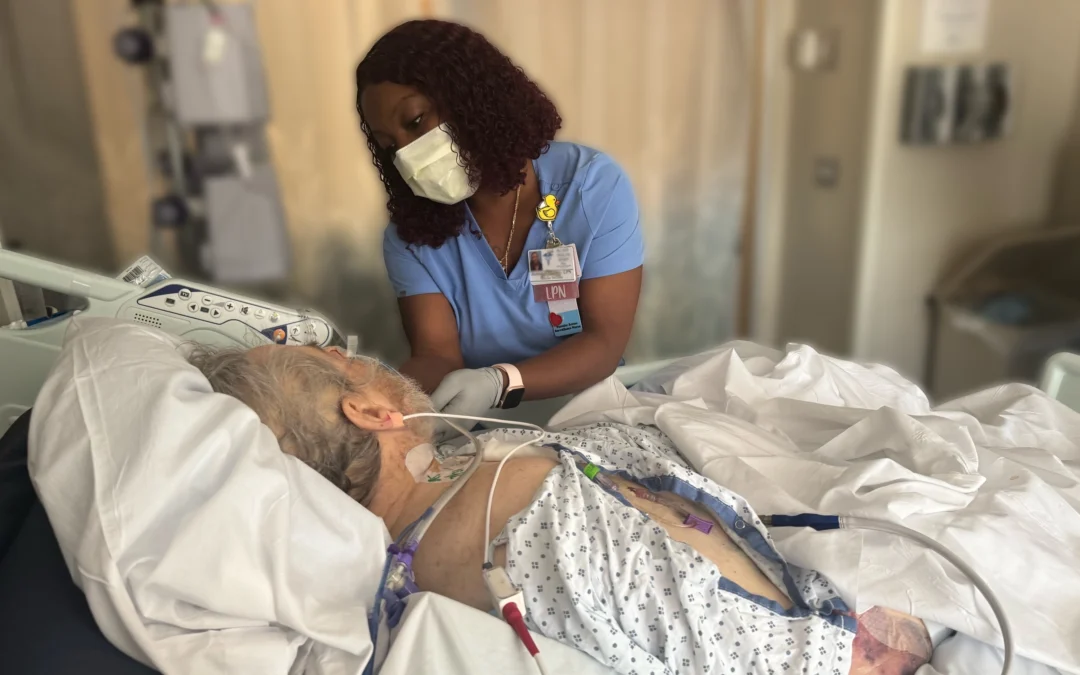
Dementia Patient Disrupting Catheters and how a Vascular Access Clinician overcame this obstacle and placed and secured Central Catheter Lines is the focus of this Nurse Clinicians in Action. Dementia Patient Disrupting Catheters – Clinical Case Dementia Patient...
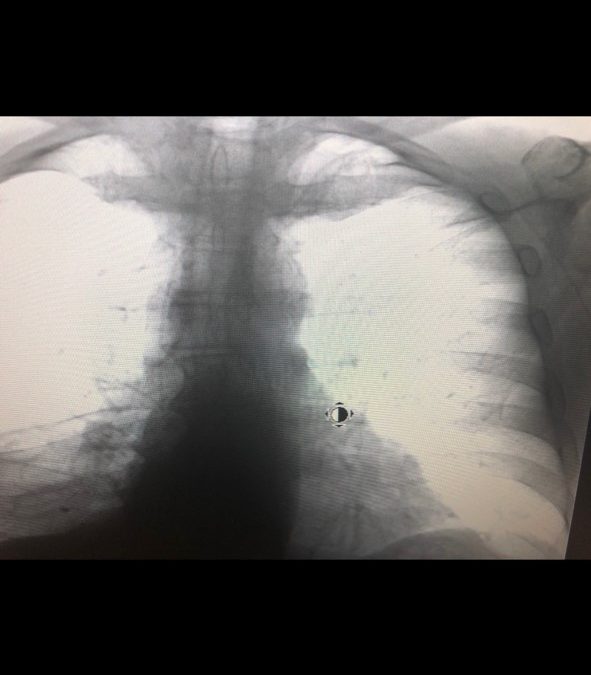
Pinch-Off Syndrome (ie, the compression and misalignment of a Peripherally Inserted Central Catheter (PICC), into a “v” position) and how the Vascular Access clinician diagnosed and treated the problem is the focus of this Nurse Clinicians in Action....
PICC lines or “peripherally inserted central catheters” are an intravenous (IV) catheter inserted into a vein in the arm, to reach the area just outside the heart, and generally, should not hurt. A PICC line consists of a long, thin tube containing a...