Building a Dialysis Program
Building a Dialysis Program highlights how Vascular Wellness has helped facilities build dialysis programs and provide vascaths and permcaths to serve their outlying or rural communities, and can quickly build and implement similar dialysis programs for other facilities in need of this service.
The Need for Expanded Access to Dialysis
The need for expanded access to a dialysis program is clear. Kidney disease affects 37 million people in the United States and is increasing at an alarming rate as a percentage of the population, especially among people of color. “Data indicates chronic kidney disease has been the fastest-growing noncontagious disease in the country, with 37 million adults living with it and millions more at risk. From 2010 to 2020, the number of people with kidney failure, or end-stage renal disease, increased by 35%.”1
Rural areas are especially concerning. “Nineteen percent of people in the U.S. live in a rural area but they make up 22% of people on dialysis. According to a study published in Kidney International in 2012, people on dialysis who live more than 100 miles away from a dialysis center have a higher mortality rate than those who live closer. People living in rural areas often must drive hours for their life-saving dialysis treatments multiple times a week, and unfortunately, rural dialysis centers offer fewer opportunities for home dialysis than urban centers.”2

Bringing Dialysis Treatment to Rural Communities
Bringing dialysis treatment to rural communities is critical and often should be a high priority for many community or rural hospitals. Because patients in rural areas often have limited access to dialysis treatments, which is a key factor in stemming advancement of renal disease, they may be more likely to experience complications. Many facilities have to transport patients back and forth to larger, sister facilities, which can be difficult and costly. Additionally, some patients may be too fragile or far away to be transported to another healthcare facility without great risk and expense.
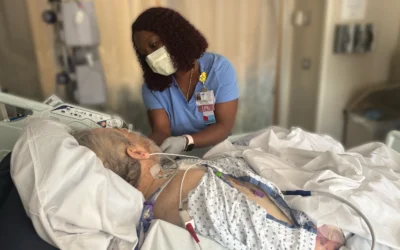
To combat these challenges and bring better care to their communities, two of our hospital clients wanted to build internal, close-to-home dialysis programs and renal care services to serve their patient populations in outlying areas. Each wanted to develop a comprehensive treatment suite inside their rural hospital facility that would be more easily accessible than prior treatment options. To meet the Certificate of Need, they needed a vascular access team that could travel to their respective locations to place dialysis catheters and assist with care and maintenance needs that might arise. The facilities determined that the best way to ensure a successful and rapid launch was to partner with a skilled vascular access team who was already experienced in serving as an extension to hospitals throughout the communities, who understood the process for obtaining a Certificate of Need, and who safely and successfully places vascaths and permcaths.
Vascular Wellness was already placing standard and advanced vascular access devices in patients at the bedside for these clients, but the facilities had not yet included dialysis catheter placement in their care offerings. Given their desire to reach an expanded patient base quickly and safely, they determined that adding Acute/Temp Vascath and Tunneled Permcath dialysis catheters from Vascular Wellness was the smartest and safest solution.
Vascular Access Experts – Key Points for Building a Dialysis Program
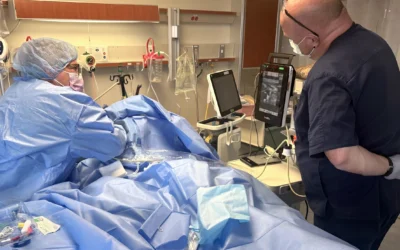
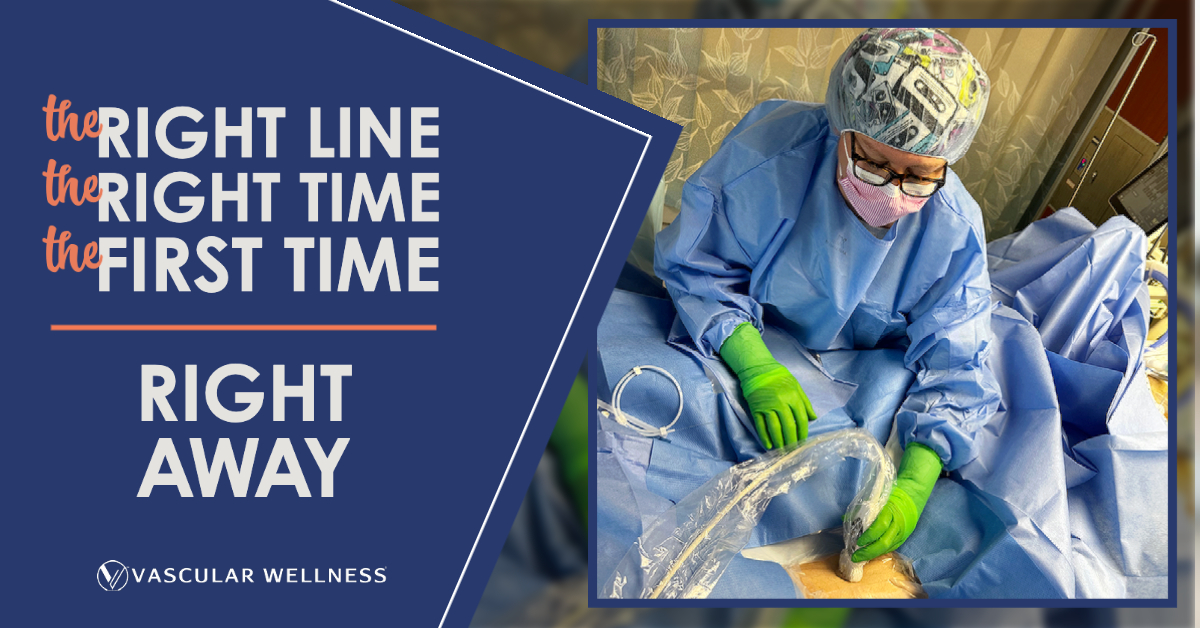
As Vascular Access Experts, and because of our proven record of hundreds of thousands of successfully placed lines, the hospital administration was confident that Vascular Wellness could meet the demands required to ensure safe and timely insertion of these catheters to meet the needs of patients requiring acute or chronic renal dialysis. Our practice of placing lines at the bedside eliminates the need for scheduled or on-call teams to staff OR or IR suites for these procedures. This was particularly valuable and important in rural settings.
Having a team of vascular access specialists at the ready who can be at your facility 7 days a week – including after hours, holidays and typically the same day – is a tremendous advantage to patients and cost savings to your dialysis program. Immediate benefits include elimination of transportation time and expense, faster and easier coordination of treatment, more effective infection control, prevention of delay cascades of care that can lead to expensive and dangerous complications, less patient disruption, decreased length of stay for the patient, and increased satisfaction of patients and family members.
Freeing up the high demand, higher cost IR and OR suites for more complex or advanced procedures help keep your costs down, your physicians operating at top of license, and enables you to help ensure faster, safer therapy for all your renal patients.
Vascular Wellness continues its vision to Advance Healthcare and Empower Nurses, and developing rural-based dialysis programs is another example of its commitment to innovation and exceptional patient care and client service.
1 Burton, LaVarne. “Rural Americans With Kidney Failure Deserve More From Our Health Care System.” US News & World Report, 27 January 2023.
2 Darcy, Deborah. “The CARE for All Kidneys Act aims to assist people on dialysis in rural areas.” American Kidney Fund, 16 September 2022.
Want to learn more about how having a Vascular Wellness Dialysis Program saves lives? Read our Dialysis Patient Cases below…


Building a Dialysis Program
Patient Cases: Vascular Access for Dialysis
What makes Vascular Wellness the Right Choice when Building a Dialysis Program?
- Dialysis catheters, expertly placed at the bedside
- 7 days/week, including nights, weekends & holidays
- 98+% success rate
- 3-hour average response
- 24/7 call center
- 0% insertion-related infection rate
- Large & small bore lines
We place the right line at the right time, the first time.
Call us at 877-284-4435 or email us to learn more.
No upfront cost or commitment to get started.
If you require Vascular Access or want to learn more, speak to the team at Vascular Wellness today.
For the latest articles and insights, follow us on LinkedIn, Facebook, Twitter, YouTube, and Instagram.
Vascular Wellness provides:
(1) Comprehensive vascular access services to Mississippi, North Carolina, Ohio, Oklahoma, Pennsylvania, South Carolina, and Virginia; and
(2) Customized vascular access services to Arkansas, Delaware, Georgia, Tennessee, and West Virginia; and
(3) Support vascular access services to Kentucky.