
Vascular Access Best Practices and Results
Vascular Access Best Practices is the foundation of all Vascular Wellness’ clinical policies and procedures. Our clinicians are trained and regularly tested on our clinical policies and procedures to ensure clinical competency in these Vascular Access best practices so our clients and patients get the same high quality and reliable service regardless of which clinician is providing Vascular Access services. For example, Vascular Wellness takes a comprehensive approach to vascular access and evaluates a patient’s physical condition and medical history before any vascular access device placement. We analyze the patient’s medical and laboratory data as well as the managing physician’s therapy plan and follow best practices for vein preservation and to help prevent any side effects such as Deep Vein Thrombosis (DVTs), bleeding, or infection. Our clinicians work with the managing physician to develop the best veinous placement and often, the physician defers to the Vascular Wellness clinician to recommend and place the most clinically appropriate vascular access device. Vascular Wellness is particularly proud of this deference from the medical staff. Other best practice areas include AVA (Association for Vascular Access) certification of clinicians, safety and infection consulting, training and education, clinical documentation and reporting, didactic (classroom and simulations) and hand-on training, and the use of top-rated supplies and current technology. READ MORE about Our Clinical Practice and Services.
You Might Also Enjoy These Posts…

Triangle Business Journal features Vascular Wellness
News Release: Triangle Business Journal features Vascular Wellness, originally published in the Triangle Business Journal Vascular Wellness is a diverse, women-owned company improving healthcare for...

How We Advance Healthcare and Empower Nurses
To Advance Healthcare and Empower Nurses is our Vascular Wellness vision and what drives us forward every day. We strive to improve and expand on best practices and innovate and provide our nurse...

Meticulous Vascular Access Assessment for Hospice Patient – Nurse Clinicians in Action – 61
Meticulous Vascular Access Assessment for Hospice Patient describes a case where a Hospice patient was experiencing phlebitis and needed a longer-term solution for the administration of pain...
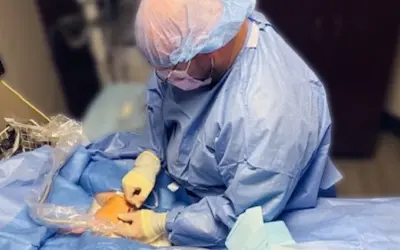
After-Hours PICC Replacement at an LTACH – Nurse Clinicians in Action – 60
After-Hours PICC Replacement at LTACH describes a case where Vascular Wellness received a late-night urgent request from an LTACH to replace a PICC line that had been accidentally dislodged....

Responsive and Adaptable Hospital Support – Nurse Clinicians in Action – 59
Responsive and Adaptable Hospital Support describes how Vascular Wellness provides flexible and agile support for hospitals to handle virtually all clinical events, through exceptional scope and...

24-Hour Vascular Access Consult and Coordination – Nurse Clinicians in Action – 58
24-Hour Vascular Access Consult and Coordination describes a patient who came to an Emergency Department on a weekend with a suspected infection in her PICC line, which she had in place for...