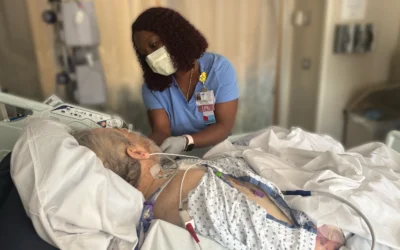
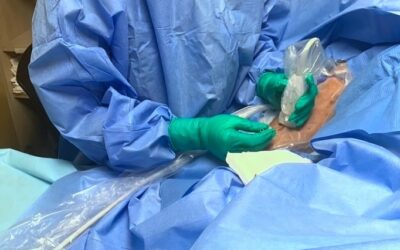
A peripherally inserted central catheter or PICC is used when caregivers require ongoing access to a patient’s bloodstream. The medical device can be used to deliver medications and fluids intravenously (IV). The most common uses include providing medication, treatments such as chemotherapy, ongoing blood drawing and blood transfusions.
PICC lines make it easier for caregivers to have consistent, reliable access without the need to continuously “poke” the patient to insert multiple IVs over a longer course of time. If you wonder how are PICC lines inserted, here is an overview of the process.
Where are PICC Lines Inserted?
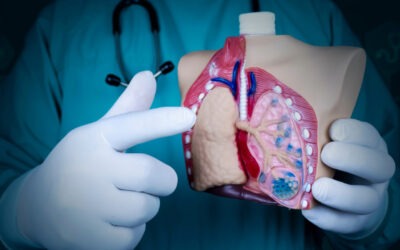
PICC lines are usually inserted through a vein in the upper arm and then threaded to a large central vein near the heart.
How Long Do PICC Lines Stay In Place?
In theory, the PICC line can be used over a long period of time between two and six weeks, and even longer in some cases. In contrast, for safety and hygiene purposes, peripheral IVs should be replaced every three to four days.
When is a PICC Line Used?
PICC lines are used when larger volumes of fluids or medications are required. They help reduce irritation caused by standard IVs, while also making it easier for healthcare workers to provide care. Common uses include:
- Antibiotics or antifungals required daily over several weeks.
- Cancer treatments for chemotherapy which can be caustic.
- Liquid nutrition for patients who are unable to eat or are dehydrated.
- Heart medications such as those required for congestive heart failure.
- Multiple medications through multiple ports to reduce irritation to small veins.
- For patients that pose a challenge for insertion of an IV.
- Frequent blood draws for ongoing monitoring through blood tests.
Who Inserts the PICC Line?
Healthcare providers trained to insert PICC lines include nurses (RN), physician assistants (PA), or nurse practitioners (NP).
How are PICC Lines Inserted?
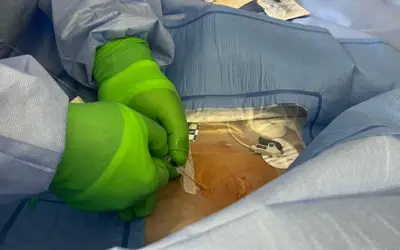
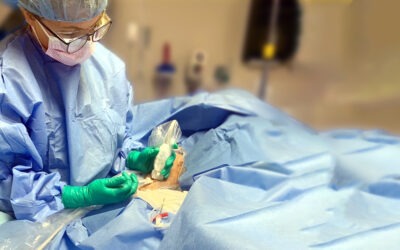
PICC lines are basically tubes containing a guidewire. The guidewire is temporary, providing more stability and less flexibility during the insertion process. The line is trimmed to ensure it extends from the site of insertion to the blood vessel outside the heart. The steps include:
- The caregiver selects a vein. Today, caregivers have the assistance of technology, using sonography (ultrasound) to follow the line and also help find the ideal site.
- The site for the insertion is numbed to keep the patient comfortable.
- The insertion site is cleaned.
- A small incision is made to provide access to the vein.
- The PICC line is inserted into the vein carefully.
- The insertion must be gentle and the PICC line must be slowly moved into the blood vessel, up the arm and towards the heart.
- The caregiver will follow the process using an ultrasound machine to make progress smoother and avoids the line getting stuck during the procedure.
- Once in position, the PICC line is secured on the outside of the insertion site, and a dressing is applied to help protect the insertion site and avoid potential infections. This keeps the PICC line from moving and reduces the risk for accidental removal.
- ECG Tip Confirmation technology or an X-ray is taken to make sure the PICC line is properly positioned in the blood vessel. Adjustments can be made to position it properly as required.
- Once the position is confirmed, the caregiver removes the guidewire.
- A cap is placed over the end of the catheter until it is needed to keep it free of germs.
The entire process can take up to an hour and the patient is kept as comfortable as possible.
If you require safe, comfortable PICC line insertion, speak to the team at Vascular Wellness today.
Vascular Wellness Serves North Carolina, South Carolina, and Virginia and expanding to Georgia, Tennessee, and Kentucky.